The Value Exchange
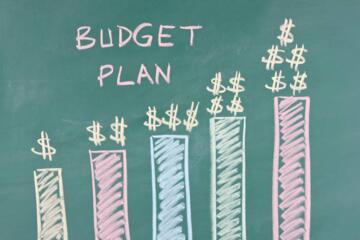
An anniversary trip is more than a vacation; it is a strategic investment in a relationship's emotional bank account. The "Budget vs. Experience Curve" is a concept where the vertical axis represents the quality of the memory and the horizontal axis represents the total spend. Initially, the curve rises steeply as you move from "budget" to "mid-range."
Research in behavioral economics shows that "peak-end" experiences define our memories. A $200 sunset dinner often provides a higher emotional ROI than a $2,000 flight upgrade. In 2025, travel data indicated that couples who prioritized specific high-impact activities reported 30% higher trip satisfaction than those who spent heavily on passive luxury.
Understanding where your money moves the needle is essential. Most travelers hit a point of diminishing returns—where spending double the money only yields a 5% increase in comfort. Identifying the "sweet spot" allows for a luxury feel without the financial hangover of over-leveraged credit cards.
The Spending Plateau
The primary error couples make is "luxury leakage." This happens when money is spent on invisible upgrades that do not contribute to the romantic narrative. Paying for a high-floor room with the same view as a standard room is a common example of spending that fails to enhance the experience curve.
Another pitfall is the "exhaustion tax." Couples often book complex itineraries with multiple flights and transfers to see more locations. This results in spending more money to be more tired. When the budget increases but the "friction" of travel also increases, the experience curve actually trends downward.
Real-world consequences include "anniversary resentment," where the pressure of a high price tag leads to arguments over small inconveniences. If a $10,000 trip feels like it must be "perfect," any minor delay becomes a catastrophe. Lowering the financial stakes can often heighten the emotional connection.
Strategic Spend Tips
The Anchor Experience
Identify one "Anchor Experience" that defines the trip. This might be a private boat tour in Amalfi or a hot air balloon ride in Cappadocia. Allocate 20% of your total budget to this single event. Focusing funds here creates a psychological "peak" that dominates the memory of the entire anniversary.
Data from luxury travel agencies suggests that specific, active memories are more resilient than the memory of a hotel room. By anchoring the trip, you provide a clear narrative for the celebration, making the rest of the budget (like meals or transport) easier to manage with a "good enough" mindset.
Logistics and Friction
Spend money to remove friction, not just to add gold leaf. This means prioritizing a direct flight over a layover, even if it costs 15% more. It means booking a private car from the airport instead of navigating a foreign train system with heavy luggage after a red-eye flight.
Removing "negative points" from the curve is often more effective than adding "positive points." A seamless transition from the airport to the hotel sets a tone of relaxation. When you eliminate stress, you create the mental space required for romance and deep conversation.
The Boutique Advantage
Skip the global 5-star chains in favor of high-end boutique properties. A Marriott or Hilton at the top tier often charges for the brand name. A locally owned "Relais & Châteaux" property or a high-rated Airbnb Plus often provides more "soul" and personalized service for 30% less cost.
Boutique hotels often include anniversary perks—like a complimentary bottle of local wine or a room upgrade—simply because they have more autonomy than corporate managers. This increases the experience curve without adding to the line-item expenses on your bank statement.
Off-Peak Optimization
Timing is the most powerful budget lever. Traveling to the Greek Islands in late September instead of July can reduce costs by 40% while improving the experience. You avoid the "overtourism" crowds, the service is more attentive, and the weather is often more pleasant for exploring.
When you save $1,000 on the same hotel room by shifting your dates, you can reinvest $500 of that into a private guide or a spa day. This is the ultimate way to "hack" the curve: lowering the budget while simultaneously raising the quality of the experience.
Dining Logic 50/50
Avoid the "Fine Dining Burnout." Eating at Michelin-starred restaurants every night leads to sensory fatigue. Use the 50/50 rule: one night of high-end, multi-course dining followed by one night at a local, authentic hole-in-the-wall. The contrast makes the fancy night feel more special.
This strategy also balances the budget. A $400 dinner followed by a $40 street food tour keeps the average daily spend manageable. Furthermore, discovering a hidden local gem often provides a more "authentic" story than a standardized luxury dining room found in any major city.
Trip Scenario Models
Case A: A couple spent $8,000 on a 5-day trip to Paris. They stayed in a generic luxury hotel and spent $2,000 on business class upgrades. They felt the trip was "nice" but lacked a specific highlight. Their experience curve was flat because the money went toward comfort rather than novelty.
Case B: A couple spent $5,000 on a 7-day trip to Portugal. They flew economy but stayed in a converted monastery ($250/night) and spent $800 on a private vineyard tour and a fado music night. They rated the trip as "the best of their lives." Their experience curve spiked due to high-impact "peak" moments.
The takeaway is clear: novelty and emotional resonance outperform "status" spending. Case B spent 37% less money but achieved significantly higher psychological satisfaction. The difference was intentionality in where the capital was deployed.
Budget Impact Table
| Category | Budget Path | Luxury Path | ROI Rank |
|---|---|---|---|
| Lodging | Boutique Inn | Grand Resort | Medium |
| Transit | Public/Train | Private Car | High |
| Dining | Local Bistro | Tasting Menu | Low |
| Events | Group Tour | Private Tour | Extreme |
Common Anniversary Errors
The most pervasive mistake is "The Over-Schedule." Couples try to maximize their budget by filling every hour with activities. This leads to the "vacation from the vacation" syndrome. For an anniversary, white space in the itinerary is a luxury. If you don't have time for a two-hour lunch, you've over-spent your time budget.
Ignoring "The First and Last Impression" is another error. Psychology tells us we remember the start and end of a trip most vividly. If the first day involves a 4-hour car rental line and the last day is a frantic dash to the airport, the "experience curve" will be dragged down regardless of how nice the middle days were.
Finally, failing to mention the anniversary is a missed opportunity for free ROI. From airlines to hotels, simply noting the celebration in the "special requests" box can yield upgrades, fruit plates, or better tables. This is a zero-cost way to move up the experience curve through human connection rather than capital.
FAQ
What is a good budget?
There is no fixed number, but a healthy "mid-luxury" baseline for a 3-day anniversary trip in 2026 is roughly $1,500–$2,500. This allows for one "Anchor Experience" and high-quality lodging without entering the realm of "diminishing returns" found in ultra-high-end travel.
Should we use points?
Points are best used for "Friction Removal." Using credit card points for a Business Class seat or a high-end hotel stay allows you to reallocate your actual cash toward private experiences and dining, which offer a higher emotional return on investment.
Is insurance worth it?
For high-budget anniversary trips, yes. The psychological peace of mind provided by "Cancel For Any Reason" (CFAR) insurance prevents the "sunk cost" stress that can ruin the lead-up to a trip if a work conflict or illness arises. It protects the emotional experience.
Best "free" upgrades?
The best free upgrade is information. Emailing the hotel manager two weeks prior to express how much you are looking forward to celebrating your 10th (or 25th) anniversary often yields better results than asking at the front desk upon arrival. It allows them to plan for you.
How long should we go?
For most couples, 3 to 4 nights is the "Experience Peak." Shorter feels rushed; longer can sometimes lead to "travel fatigue" where the novelty wears off. A concentrated, high-impact long weekend often scores higher on the experience curve than a drawn-out week.
Author's Insight
I have planned dozens of milestone trips, and the ones I remember most aren't the ones where I stayed in the most expensive suite. I remember the time I spent $300 on a private guided hike in the Swiss Alps after flying a budget carrier to get there. My rule of thumb: spend on things that make you say "I've never done this before," and save on things that are just "nicer versions" of what you have at home. Luxury is about the feeling of being cared for, not the thread count of the sheets.
Summary
Optimizing an anniversary trip requires a shift from "total spend" to "impact spend." By focusing on friction removal, anchoring the trip with one major event, and utilizing boutique options, you can maximize your experience curve. Avoid over-scheduling and prioritize the first and last impressions to ensure the trip remains a positive pillar in your relationship's history. True luxury is found in the moments of uninterrupted connection, not just the price of the ticket.