Lusitanian Seaboard
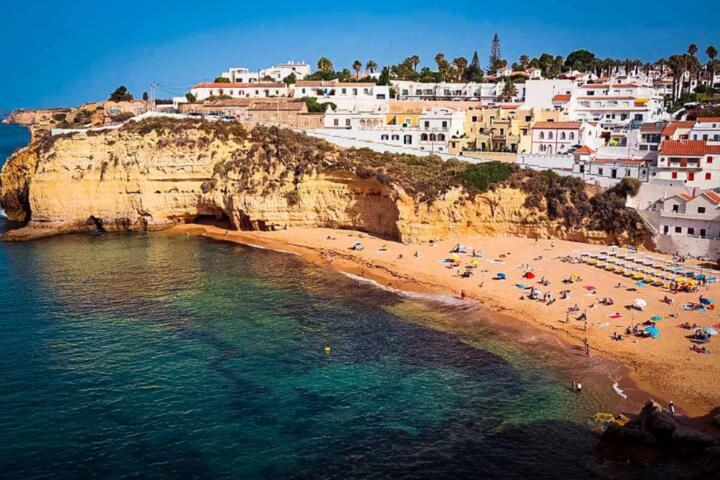
Portugal’s coast is not a singular experience; it is a 1,794-kilometer stretch of diverse microclimates and bathymetry. To understand the surf here, one must understand the shelf. The Nazaré Canyon, for instance, is a 5,000-meter deep submarine valley that funnels swell energy directly toward the shore, creating the world's largest rideable waves.
In practice, this means a surfer can experience a 2-meter swell in Ericeira while Nazaré, just an hour north, is pulsing at 15 meters. From a culinary perspective, the cold, nutrient-rich waters of the Atlantic Upwelling System ensure that Portuguese shellfish, particularly Percebes (goose barnacles), possess a mineral complexity unmatched by Mediterranean counterparts. In 2023, Portugal’s fishing industry landed over 160,000 tonnes of fish, with a significant portion remaining within local "Lota" (fish auction) ecosystems.
Coastal Pitfalls
Many travelers fail by relying on "Top 10" lists that prioritize accessibility over quality. A frequent mistake is visiting the Algarve in mid-summer for surfing, only to find a flat "lake" due to the lack of north-westerly swell penetration. Conversely, winter visitors often underestimate the sheer power of the Atlantic, arriving with equipment unsuitable for the heavy, shifting peaks of the Silver Coast.
In the culinary realm, the "Tourist Menu" trap is prevalent. Travelers often settle for frozen, imported shrimp in Lisbon’s Baixa district rather than seeking out the Cervejarias where locals consume fresh catches by weight. Ignoring the lunar cycle also impacts seafood quality; certain shellfish are best avoided during their spawning seasons to ensure both flavor and sustainability. Failing to understand these variables results in a generic, expensive, and ultimately hollow experience of a world-class coastline.
Strategic Destinations
Ericeira: The World Surfing Reserve
Ericeira is the only World Surfing Reserve in Europe, boasting 7km of coastline with 11 high-quality peaks. For the best experience, target Ribeira d'Ilhas during a mid-tide. It’s a long right-hand point break that handles size well. After a session, skip the beachfront cafes and head to Ti Matilde or Mar à Vista. Order the Lagosta suada à moda de Ericeira (steamed lobster). Use the Magicseaweed (now Surfline) app to track the "WNW" swell direction, which is optimal for this region.
Peniche and the Supertubos Power
Peniche is a peninsula, meaning you can almost always find an offshore wind by simply driving to the other side. Supertubos is the crown jewel, known as the "European Pipeline." It requires a strong South or South-West swell to truly fire. For dining, Tasca do Joel is non-negotiable. It combines a wine cellar with an incredible array of grilled Sardinhas and Arroz de Marisco. Pro tip: Visit in October during the WSL (World Surf League) event to see the pros, but stay in Baleal for a more relaxed, bohemian vibe.
Nazaré: Beyond the Big Wave Giants
While Praia do Norte is famous for 80-foot monsters, the town beach (Praia da Nazaré) offers manageable peaks for intermediate surfers during the shoulder seasons. The real draw here, however, is the sun-dried fish tradition. Walk the promenade to see the Secagem de Peixe. For a sit-down meal, A Tasquinha offers Massada de Peixe (fish pasta stew) that defines comfort food. Use Portuguese Railways (CP) to reach the area, but rent a scooter locally via Nazaré Riders to access the cliffs efficiently.
Sagres: The Wild Frontier
Located at the southwestern tip of Europe, Sagres offers a raw, rugged aesthetic. Praia do Beliche provides shelter from the prevailing "Nortada" (north wind), making it a winter sanctuary. The seafood here is dominated by the Percebe. These are harvested from the treacherous cliffs of Cape St. Vincent. Restaurante O Telheiro is the place to eat them. Pair your meal with a crisp Vinho Verde from the northern Minho region to cut through the saltiness of the shellfish.
Matosinhos: The Industrial Surf Hub
Located just outside Porto, Matosinhos is often overlooked. However, it offers some of the most consistent beach breaks in Northern Portugal, perfect for beginners and longboarders. More importantly, the Rua Heróis de França is a street dedicated entirely to charcoal grills. Dozens of restaurants grill fresh Sea Bass (Robalo) and Bream (Dourada) right on the sidewalk. Use the Porto Metro (Blue Line) for a seamless 20-minute transit from the city center to the surf line.
Coastal Success Stories
Case 1: The "Off-Season" Family Expedition
A group of four intermediate surfers opted for Viana do Castelo in late February instead of the crowded Algarve. By booking a stay at the FeelViana Sport Hotel, they had access to an onsite surf center and GPS-tracked wind reports.
Result: They scored 5 days of 4-foot clean offshore conditions and spent 30% less on accommodation than peak-season rates. Their nightly seafood dinners at Tasquinha da Linda averaged 25 EUR per person, including wine.
Case 2: The Digital Nomad Gastronomy Tour
A remote worker spent a month in Aljezur (Western Algarve). By using Zomato Portugal and TheFork to find "hidden gem" ratings, they bypassed tourist traps in Lagos. They focused on Praia da Arrifana for daily surf sessions.
Result: By engaging with local fishermen at the Aljezur market, they discovered Polvo à Lagareiro (octopus with olive oil and garlic) at Pont'a Pé, which became their benchmark for Portuguese cuisine, while maintaining a productive work schedule via the Lagos Digital Nomads community hub.
Regional Comparisons
| Region | Primary Surf Break | Best Swell Season | Signature Seafood Dish | Crowd Factor (1-10) |
|---|---|---|---|---|
| Silver Coast (Peniche/Nazaré) | Supertubos / Praia do Norte | Autumn / Winter | Caldeirada (Fish Stew) | 8 |
| Ericeira | Coxos / Ribeira d'Ilhas | Year-round (Best in Autumn) | Steamed Lobster | 9 |
| Alentejo Coast | Vila Nova de Milfontes | Winter / Spring | Choco Frito (Fried Cuttlefish) | 3 |
| Vicentine Coast (Sagres) | Praia do Amado | Autumn / Winter | Percebes (Goose Barnacles) | 5 |
| Northern Coast | Afife / Cabedelo | Summer / Autumn | Grilled Sea Bass | 4 |
Standard Execution Errors
One of the most significant errors is ignoring the "Rule of Months with an R." Local wisdom suggests that shellfish like mussels and oysters are best consumed in months containing the letter 'R' (September to April). During summer months, many species are in their reproductive phase, leading to thinner meat and less vibrant flavor profiles.
From a surfing standpoint, many visitors underestimate the Portuguese Nortada. This strong north wind can ruin a perfectly good swell by mid-afternoon. To avoid this, always plan your sessions for the early morning (the "dawn patrol"). Additionally, never leave valuables in a rental car at remote surf spots like Praia do Guincho; while Portugal is generally very safe, surf-spot vehicle break-ins are a known nuisance for tourists.
FAQ
Is Portugal suitable for beginner surfers in the winter?
Winter (November-February) is generally for advanced surfers due to massive Atlantic swells. Beginners should stick to sheltered bays in the Algarve or find surf schools in Matosinhos where the waves are significantly smaller and more manageable.
How much should I expect to pay for a high-quality seafood meal?
In a local Churrasqueira or Tasca, a fresh grilled fish with sides and a drink costs between 15 and 22 EUR. In high-end Marisqueiras in Lisbon or Cascais, expect to pay 40-70 EUR per person, especially if ordering lobster or tiger prawns by weight.
What is the best way to travel between coastal surf towns?
Renting a car is essential for surfers with boards. Companies like Sixt or local providers like Luzcar offer roof rack options. Public transport is excellent between major cities but fails to reach the best "secret" breaks.
Do I need a thick wetsuit for Portugal?
Yes. Even in summer, the Atlantic remains cool (17-19°C). A 3/2mm wetsuit is standard for summer, while a 4/3mm with booties is necessary for winter sessions in the north.
Can I find vegetarian options in these seafood towns?
While seafood is the star, the "Petiscos" (tapas) culture usually includes Peixinhos da Horta (breaded green beans) and excellent local cheeses. However, strictly vegan options can be limited in traditional coastal villages.
Author’s Insight
In my decade of navigating the Atlantic coast, I have found that the best experiences happen when you align your clock with the tide and the local market. My personal favorite ritual is surfing the early tide at Coxos and then heading to the Ericeira municipal market at 10:00 AM to see what the small-boat fishermen have brought in. Don't be afraid of "ugly" fish like Pescada or Faneca; they often taste better than the expensive Sea Bream. My biggest piece of advice: learn the basic Portuguese names for fish. When you ask a waiter for Sargo instead of just "white fish," the level of service and quality of the cut often magically improves.
Summary
Mastering the Portuguese coast requires a balance of meteorological monitoring and culinary curiosity. By targeting the World Surfing Reserves like Ericeira for their consistency, and the rugged outposts of Sagres for their raw produce, you transcend the typical tourist experience. Focus on the shoulder seasons of September and October for the perfect overlap of warm water and prime swell. To take immediate action: download a reliable swell forecast app, book a rental car with a roof rack, and always ask for the "Peixe do Dia" (fish of the day) rather than ordering from the printed menu. The Atlantic is waiting; respect its power and savor its bounty.