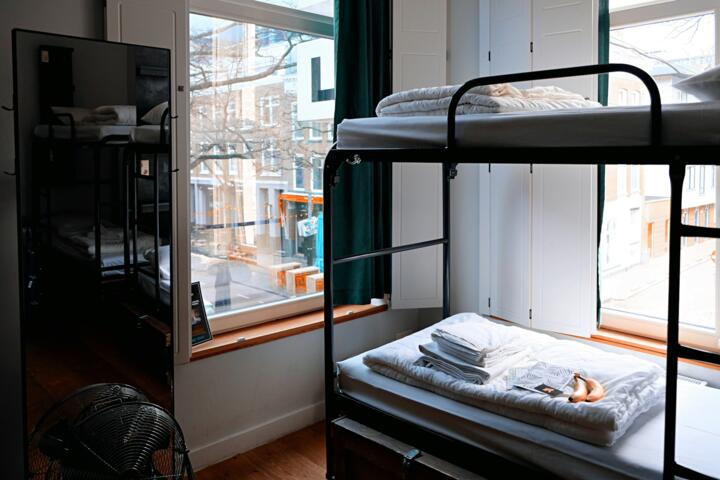
Hostels vs Budget Hotels
Hostels and budget hotels often appeal to travelers with limited budgets but differ fundamentally in setup and guest experience. Hostels typically offer dormitory-style rooms where multiple guests share a single sleeping area, while budget hotels provide private rooms, though usually modest in size and amenities. For example, a typical hostel dormitory may sleep 6 to 10 people, whereas a budget hotel room accommodates 1 to 2 travelers comfortably.
Hostels originated as social hubs for backpackers, emphasizing communal spaces and group activities. Budget hotels focus on providing affordable privacy with essential services. According to Hostelworld, over 30 million travelers stayed in hostels worldwide in 2022. Budget hotel chains like Motel 6 or Ibis budget report occupancy rates near 70% in similar periods.
Even pricing structures vary; hostel beds might cost as little as $15 per night in popular cities, whereas budget hotel rooms typically start around $40. They cater to different traveler priorities despite overlapping price points.
Common Missteps in Choice
Many travelers confuse low cost with equivalent experiences between hostels and budget hotels, leading to inappropriate expectations. People expect hostel dormitories to offer the same privacy and service level as a hotel room, but that’s unrealistic. Conversely, they might assume budget hotels foster social interaction like hostels, which rarely happens.
Consequences of misunderstandings differ: a hotel guest who values socializing may feel isolated, while a hostel guest expecting quiet private space faces discomfort and poor rest. Booking errors are often behind these misalignments, such as reserving a mixed dorm without confirming gender preferences or assuming 24/7 staff availability at hostels without reception.
Imagine arriving in a city post-midnight and finding the hostel’s self-check-in system complicated, or a budget hotel’s extra fees eating into the budget more than expected. These issues stem from operational differences few travelers research beforehand.
Practical Guidance & Methods
Assess Your Privacy Needs
Prioritize whether privacy or social interaction matters more. Hostels excel in social areas but often lack private sleeping quarters. Budget hotels provide rooms with locks, sometimes with en suite bathrooms, which hostels might not guarantee. A study showed 60% of solo travelers want private bathrooms, influencing hotel choice.
Check Amenities Carefully
Hostels vary wildly; some offer breakfasts, free Wi-Fi, and luggage storage, while others lack these staples. Budget hotels generally include at least basic amenities like daily cleaning and front desk service. Review hostel reviews on platforms like Hostelworld or Booking.com for precise service level before booking.
Consider Location Impact
Hostels often position themselves near nightlife or cultural hubs to foster community, sometimes at the cost of noise. Budget hotels might choose quieter residential areas. Use a map tool to measure distance from landmarks and public transport; urban hostels average within 1 kilometer of city centers, budget hotels slightly off-center.
Look at Cost Breakdown
Hostel pricing is per bed; thus, a private room in a hostel might cost more than a dorm bed but less than a budget hotel. Budget hotels typically charge per room, often including taxes upfront. Platforms like Agoda or Expedia help compare final prices including fees and deposits, which can swing total costs up by 10-15%.
Evaluate Cleanliness and Safety
Budget hotels usually maintain consistent cleaning standards regulated by chains or local laws. Hostels rely heavily on guest compliance and communal cleaning, which leads to variability. Safety measures like in-room safes or CCTV are common in budget hotels but rare in hostels. Personal lockers in hostels accommodate valuables.
Use Social Atmosphere Wisely
Hostels encourage mingling through shared kitchens, lounges, and events, useful for solo travelers seeking connections. Budget hotels suit travelers who plan day trips and want restful evenings. Apps like Meetup or Couchsurfing can supplement networking when staying in hotels.
Book Flexible Options
Hostels often feature flexible cancellation due to unpredictable traveler patterns. Budget hotels may charge penalties. Always check cancellation policies when booking, especially with last-minute plans.
Read Recent Reviews
Hostel experiences can change suddenly based on management or guest profiles. Budget hotels tend to have stable service but confirming latest user reviews—ideally under 3 months old—minimizes surprises on cleanliness or noise levels.
Explore Loyalty Programs
Budget hotels sometimes offer loyalty programs (e.g., Marriott Bonvoy, Hilton Honors) that reduce costs after multiple stays. Hostels rarely have such systems, but some chains like Generator hostels provide membership benefits.
Real Cases of Choice Impact
Case one: A digital nomad traveled through Southeast Asia, choosing hostels to save costs and meet others. Staying at a popular hostel chain, they secured a bed for $12/night, networked with 20+ people, and used free coworking areas. The result: productive workweeks + aligned social life.
Case two: A business traveler visiting Europe booked budget hotels averaging $55 per night to ensure privacy and reliable Wi-Fi. Despite higher costs, they avoided disruptions common in hostels. Meetings succeeded without interruptions, travel fatigue reduced by 25% compared to previous hostel stays.
Quick Comparison Guide
| Feature | Hostel | Budget Hotel | Typical Cost |
|---|---|---|---|
| Room Type | Dormitory & some privates | Private rooms only | $10–$30 per bed/room |
| Privacy | Low (shared spaces) | High (private) | - |
| Social Areas | Multiple & lively | Limited | - |
| Amenities | Varied, less standard | Standardized | - |
| Security | Lockers, CCTV rare | In-room safes, CCTV | - |
| Booking Flexibility | High (mostly refundable) | Moderate | - |
Frequent Errors & Fixes
Skipping research on hostel rules leads to unpleasant surprises like curfews or no alcohol policies. Always read the fine print, and check host reviews from the last month. Choosing hostels near busy streets without earplugs will disrupt sleep quality on multiple nights.
For budget hotels, ignoring hidden fees creates budget busters. Double-check if breakfast, Wi-Fi, or parking costs extra. Not aligning travel dates with hotel cancellation policies causes unnecessary charges too. Use booking platforms that display all fees transparently.
FAQ
Are hostels safe compared to budget hotels?
Hostels provide lockers but generally less security than budget hotels, which have safes and stricter access controls. Safety depends on location and the hostel’s management.
Can families stay in hostels?
Some hostels offer private family rooms, but most target solo or young travelers. Budget hotels usually suit families better due to private spaces and amenities.
Is internet access reliable in hostels?
Wi-Fi quality varies widely in hostels, sometimes slow or unstable. Budget hotels often maintain consistent internet service, crucial for work travelers.
Do budget hotels offer social activities?
Rarely. Budget hotels focus on accommodation and essential services, not community events. Hostels might organize tours, gatherings, or shared dinners.
Which option costs less long term?
Hostels generally cost less per night due to shared rooms. However, if you require privacy, a budget hotel might become more cost-effective over a longer stay.
Author's Insight
Having spent years traveling through Europe and Southeast Asia, I found hostels unbeatable for meeting fellow travelers and stretching budgets. Still, I’d avoid dorms when needing serious rest before meetings; a budget hotel worked better then. Booking apps from 2023 made price and facility comparisons easier but reading recent guest comments remains the best method to avoid surprises.
The mix of social experience versus privacy matters most. Traveler goals change; so should lodging choices.
Summary
Hostels emphasize shared social spaces, affordability, and flexible stays but compromise privacy and sometimes service levels. Budget hotels provide private rooms with consistent amenities at higher prices. Matching your lodging choice to your specific needs—privacy, social connection, budget, and schedule—produces better travel results. Always verify amenities, location, and cancellation terms by consulting recent reviews and transparent booking sources.