Way of Tea: Overview
The Japanese tea ceremony, or Chado (The Way of Tea), is a choreographed ritual centered on the preparation and consumption of powdered green tea (matcha). In Kyoto, this isn't just a performance; it is a living history. The practice is built on four pillars: Wa (Harmony), Kei (Respect), Sei (Purity), and Jaku (Tranquility).
In a practical sense, the ceremony serves as a social equalizer. Historically, even samurai had to leave their swords outside the tea room to enter a space where everyone was equal. Today, you will encounter two main styles: Ryurei (seated at a table, common for beginners) and Tatami (sitting on the floor, the traditional standard).
Statistics suggest that Kyoto hosts over 500 registered tea houses, yet fewer than 15% offer authentic, English-guided sessions that explain the "why" behind the "how." A standard session typically lasts between 45 to 90 minutes, depending on whether it includes a full Kaiseki meal or just tea and sweets.
Visitor Pain Points
The most frequent mistake travelers make is treating the ceremony like a cafe visit. I often see tourists arriving in short skirts or wearing heavy perfume, both of which are major breaches of etiquette. Heavy scents interfere with the delicate aroma of the matcha, and inappropriate clothing makes the traditional seiza (kneeling) position nearly impossible.
Another issue is "The Gion Trap." Many walk-in venues in high-traffic areas offer "express" ceremonies that strip away the spiritual context, leaving guests with a 10-minute demonstration that feels hollow. Without understanding the Temae (the specific movements), the silence of the room can feel awkward rather than peaceful.
Failing to book in advance is a critical error. The best tea masters in Kyoto, such as those at Camellia Tea Ceremony or En, often book out 2-3 weeks in advance during the Sakura (April) and Momiji (November) seasons. This lack of planning forces travelers into low-quality, overpriced sessions.
Strategic Tips
Select Your School and Style
Before booking, decide between a group demonstration and a private session. Private sessions allow for deeper Q&A with the master. In Kyoto, the Urasenke school is the most prevalent for foreigners as they focus on a "frothy" matcha, which is often more palatable to Western tastes. Look for venues like Tea Ceremony Koto near Kinkaku-ji, which is led by a licensed master from the Urasenke school.
Master the Art of the Seiza
Traditional ceremonies require sitting on your heels. This can be painful after 15 minutes. To mitigate this, wear loose-fitting trousers or a long, stretchy skirt. If you have knee issues, don't hesitate to ask for a seiza stool (a small bench) or a chair-based Ryurei style. Venues like Jotokuji Temple are excellent for those who need a more accessible seating arrangement without sacrificing the spiritual atmosphere.
Observe the Seasonal "Wagashi"
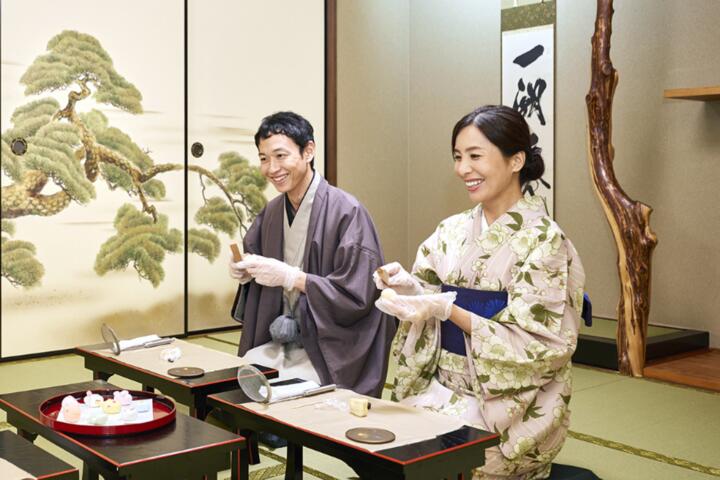
Never drink the tea before eating the sweet provided. The Wagashi (Japanese confection) is designed to be intensely sweet to balance the bitterness of the Usucha (thin tea). In Kyoto, these sweets change monthly to reflect the season—for example, a maple leaf shape in autumn or a plum blossom in February. Pay attention to the design; it is a key part of the "omotenashi" (hospitality) of your host.
Respect the "Kakejiku" and "Chabana"
Upon entering the room, the first thing you should do is admire the scroll (Kakejiku) and the flower arrangement (Chabana) in the alcove. These aren't random decorations. The host chooses them specifically for that day's guests or the current weather. Recognizing this effort shows you are an educated guest. Spend 30 seconds silently observing these elements before taking your seat.
Practice the Bowl Rotation
When you receive the Chawan (tea bowl), place it in your left palm and support it with your right hand. Bow slightly to your host. Before drinking, rotate the bowl clockwise twice (about 180 degrees). This ensures you are not drinking from the "front" or most beautiful side of the bowl, an act of humility. Once finished, wipe the rim with your thumb and forefinger, and rotate it back.
Real-World Examples
Case Study 1: The Corporate Group at Maikoya
A group of 12 executives needed a cultural immersion that was professional yet authentic. They chose Maikoya Kyoto, a premium venue that offers kimono fitting combined with tea. By opting for the "private temple" package, they avoided the crowds.
Result: 100% participant satisfaction and a deep understanding of Japanese non-verbal communication, which the group later applied to their business negotiations.
Case Study 2: The Solo Photographer at En Tea Ceremony
A solo traveler wanted to capture the "soul" of Kyoto without being intrusive. They booked a morning session at En in the Higashiyama district. By choosing the first slot of the day (9:00 AM), they experienced the "morning light" in the tea room.
Result: The guest received a 1-on-1 explanation of the Natsume (tea caddy) design, resulting in a more personal connection than a standard group tour would provide.
Kyoto Tea Experiences
| Venue Name | Style | Price (JPY) | Best For |
|---|---|---|---|
| Camellia Garden | Traditional/Private | 8,000 - 15,000 | Luxury & Gardens |
| Tea Ceremony En | Educational/Group | 3,500 - 5,000 | First-timers |
| Tea Ceremony Koto | Authentic/Temple | 4,000 - 6,000 | Spiritual Depth |
| Maikoya | Cultural Combo | 5,000 - 12,000 | Families & Kimono |
Avoiding Common Mistakes
Mistake: Wearing jewelry or watches. Fix: Remove all rings and watches before entering. Metal can scratch the priceless Chawan (tea bowls), some of which are decades or even centuries old. It is considered a sign of extreme disrespect to risk damaging the host's utensils.
Mistake: Taking photos during the preparation. Fix: Always ask for permission first. Most hosts allow photos after the tea has been served and consumed. The preparation (Temae) is a meditative process, and the clicking of a shutter disrupts the flow of energy in the room.
Mistake: Wearing socks with holes or going barefoot. Fix: White socks are mandatory. In formal settings, these are called Tabi. If you aren't wearing Tabi, bring a clean pair of white socks to put on just before entering the tea room. Bare feet are a major faux pas on tatami mats.
FAQ
How long does a typical Kyoto tea ceremony last?
Most tourist-friendly ceremonies last 45 to 60 minutes. However, a formal Chaji (full ceremony) can last up to 4 hours. Ensure you check the duration when booking through platforms like ByFood or Voyagin.
Can I attend if I don't speak Japanese?
Yes. Many top-tier venues like Camellia and En provide fluent English commentary. They focus on explaining the philosophy, making it accessible to international visitors.
What is the difference between Matcha and Sencha ceremonies?
While Matcha (powdered tea) is the most famous, Kyoto also has Senchadō (leaf tea ceremonies). Matcha ceremonies are more formal and ritualistic, while Sencha ceremonies are often lighter and more focused on the flavor profile of the leaves.
Is there a dress code for tourists?
While a full kimono is not required, "smart casual" is the baseline. Avoid shorts, tank tops, and short skirts. Think of it as attending a quiet, respectful wedding or a religious service.
Is it okay to talk during the ceremony?
There are specific times for talk. Usually, the host will signal when it is time for questions. During the actual whisking of the tea, silence is expected to allow everyone to focus on the sound of the bamboo whisk (Chasen) against the bowl.
Author’s Insight
Having attended dozens of ceremonies across Kyoto, from the hidden temples of Daitoku-ji to the modern rooms of the Hyatt Regency, I’ve learned that the "perfect" ceremony isn't about perfect posture. It’s about the connection between the host and the guest. My best advice: don't obsess over the rules. If you forget to rotate the bowl, the master will not be offended as long as you show genuine gratitude. The most memorable moments happen in the silence between the movements, so take a deep breath and truly listen to the sound of the boiling water (the matsukaze, or "wind in the pines").
Summary
Attending a traditional tea ceremony in Kyoto requires a blend of preparation and presence. Start by booking a reputable venue like Camellia or Tea Ceremony Koto at least two weeks in advance. Remember to wear clean white socks, remove your jewelry, and prioritize a "mindful" attitude over technical perfection. By focusing on the seasonal details and respecting the host's choreography, you transform a simple cup of tea into a lasting memory of Japanese culture. Secure your spot early, dress respectfully, and prepare to experience the profound quiet that Kyoto has offered for centuries.