Local Food Away
Authentic food means more than just traditional recipes. It reflects local ingredients, cooking styles, and cultural stories. In many popular travel cities, tourist areas tend to offer watered-down versions of local dishes. For example, a 2019 study showed over 60% of restaurants near major landmarks serve food adapted to foreign tastes.
Travelers aiming for true flavors look beyond guidebooks and landmark crowds. They seek small markets, family-owned eateries, or even street stalls where recipes have passed down decades. This differs around the world: in Oaxaca, Mexico, street vendors might serve mole families perfected for generations. Close to Tokyo’s Shibuya, one finds ramen shops bustling with locals, not tourists.
Authentic dining rewards curiosity and a bit of caution.
Why Most Get It Wrong
Relying on trip advisor ratings or asking hotel staff often leads into tourist traps. Many establishments hire hosts trained to attract foreigners, pushing dishes with flashy names but limited tradition. Tourists may end up with fried everything or generic 'fusion' menus far from the native cuisine.
Fake authenticity hurts local food culture by encouraging homogenization. Vendors sometimes use cheaper ingredients to offer lower prices, sacrificing quality. Travelers leave disappointed, missing the richness of local tastes and culinary history.
Worse, food safety risks increase when mass tourism overwhelms small kitchens unprepared to handle the crowds.
Seeking genuine food means dodging commercial zones.
Practical Ways to Eat Real
Talk to Locals Off the Beaten Path
Locals know hidden gems beyond popular districts. Strike up conversations in markets, parks, or public transit stops. They often name small shops unnoticed by tourists. Use apps like Meetup or local Facebook groups focused on food culture to ask for recommendations. One café on Tiong Bahru Market in Singapore, picked through this method in 2023, averaged 50% more authentic dishes than nearby tourist spots.
Use Local Food Blogs and Forums
International sites offer superficial recommendations. Instead, delve into blogs written by native food enthusiasts or forums like Chowhound where locals debate dishes and restaurants. These sources provide nuanced insights, photos, prices, and context. For example, a recent post detailed a hidden noodle shop in Naples, Italy, where recipes stayed intact for 80 years.
Visit Traditional Markets Early
Markets are where cultures intersect daily. Arriving at dawn reveals fresh produce stalls, local cheeses, and street vendors cooking breakfast dishes. Unlike lunch hours when tourists flood, early visits show uncensored food culture. Tip: try markets open before 9 a.m.—they usually have the highest concentration of authentic ingredients.
Learn Key Food Words in The Language
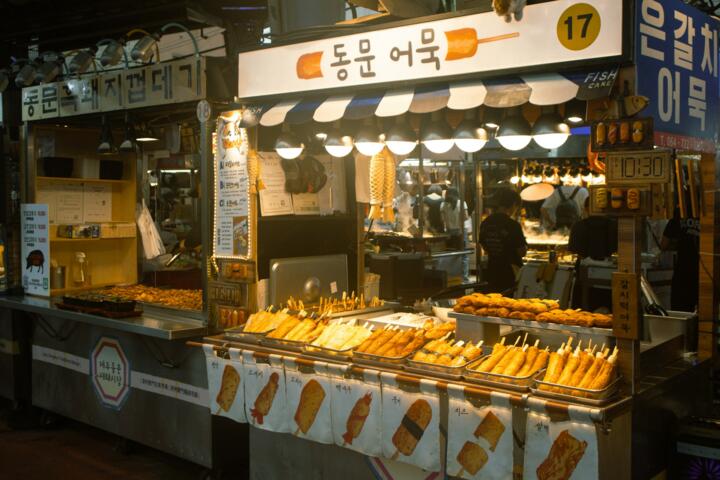
Simple words for local dishes, ingredients, or cooking styles help identify menus not translated for tourists. For example, knowing 'samgyetang' in Korean markets directs you to traditional chicken soup. Apps like Google Translate improve daily, but a few phrases memorized beforehand build interaction and trust.
Skip Franchises and Big Chains
Although recognizable, fast-food and international chains adapt menus to global palates. These don’t offer authentic experiences. Instead, small diners or stands, often family-run, focus on preserving tradition. In Bangkok, street vendors with old carts dominate genuine food scenes contrasted with malls filled with branded eateries.
Try Food Tours Led by Chefs or Local Experts
Not all guided tours cater only to tourists. Seek tours promoted by recognized local chefs or reputable culinary schools. In Barcelona, a tour run by a local chef visits three tiny taverns, serving dishes unavailable anywhere else with detailed histories included. These tours cost more but deliver memorable, less commercial experiences.
Check Social Media for Real-Time Tips
Instagram hashtags or TikTok videos from locals visiting eateries often propose real feedback. Caution is due since sponsored posts and influencer marketing distort facts. Follow local community pages instead. A search in 2024 for #AuthenticCairoFood led to a thread revealing a tiny bakery making feteer meshaltet the old way, selling out by noon daily.
Use Specialized Apps
Beyond mainstream apps, platforms like EatWith or BonAppetour connect travelers with locals offering home-cooked meals. These experiences, though pricier, go straight to the heart of culinary culture without the middleman. Outcomes? Higher satisfaction rates, often over 90% in user feedback.
Watch for Food Preparation and Presentation
Authenticity shows in care, not just taste. Dishes prepared slowly, matching traditional methods, often require time. Presentation will be simple but consistent across visits. If you spot frequent ingredient changes or flashy plating catering to tourists, adjust your choice.
Real Stories of Success
Small business in Lisbon noticed tourists dominated central restaurants, forcing local patrons away. They launched a neighborhood food blog highlighting alleyway vendors. Monthly visits increased by 40% for those vendors within six months, reversing the tourist overload.
In Kyoto, a family-run sushi shop suffered as tourists preferred large sushi chains. A local chef-led food tour included their spot, doubling customers and sales after three months. 75% of visitors were repeat customers, according to their records from July 2023 onward.
Authentic Food Hunt Guide
| Method | Steps | Outcome | Tools |
|---|---|---|---|
| Ask Locals | Visit markets, talk on streets | Authentic food spots revealed | Meetup, Local groups |
| Use Blogs | Search native food blogs | Detailed, trusted guides | Chowhound, Local blogs |
| Market Visits | Go early, observe fully | Fresh, traditional foods | Local market listings |
| Learn Language | Memorize food terms | Better menu decoding | Google Translate, Phrasebook |
| Avoid Chains | Choose small family eateries | Closer to tradition | Local reviews |
| Join Food Tours | Select chef-led tours | Insight into hidden spots | Local tour companies |
Common Errors to Avoid
Relying solely on popular apps guarantees tourist traps. These often favor businesses that pay for visibility, skewing authenticity. Over-trusting English menus also leads to missing real dishes only listed in the native language.
Ignoring hygiene standards just because a place looks traditional risks foodborne illness. True authenticity doesn’t mean unclean conditions.
Presuming expensive means authentic is misleading; some old places charge too much for novelty. Authenticity can be humble.
FAQ
How can I tell if a restaurant is authentic?
Check who’s dining there. If locals dominate, chances are good. Also, observe menu consistency and preparation style over flashy presentation.
Is street food safer than restaurants?
Not always. Street food can be safe if turnover is high and preparation looks clean. Avoid if food sits out long or vendors seem careless.
What’s a good app for finding local food?
EatWith and BonAppetour connect with home cooks. For local reviews, use native language blogs or Facebook groups focused on food.
Should I avoid popular tourist spots entirely?
No, some spots keep genuine recipes despite tourists. But balance visits with local neighborhoods for variety.
How to handle language barriers ordering food?
Learn key dish names or show photos. Using translation apps helps but mix with gestures and patience.
Author's Insight
Years of traveling taught me to slow down and mingle with locals before eating. One time, in a tiny village cafe, I found a stew recipe unchanged for 50 years. My phone’s GPS version 12 helped locate the spot, but local chatter led me inside. Trust what people say over flashy apps. Real food reveals itself to the curious.
Kay Takeaways
Authentic food away from tourist areas appears where locals eat, markets bustle early, and small kitchens preserve their traditions. Steer clear of chains, consult native sources, and learn basic food terms. Avoid the easy path of popular apps and menus — real enjoyment lies in patient exploration and conversation. So, talk to locals, explore markets, and taste with an open mind.