Defining Food Truth
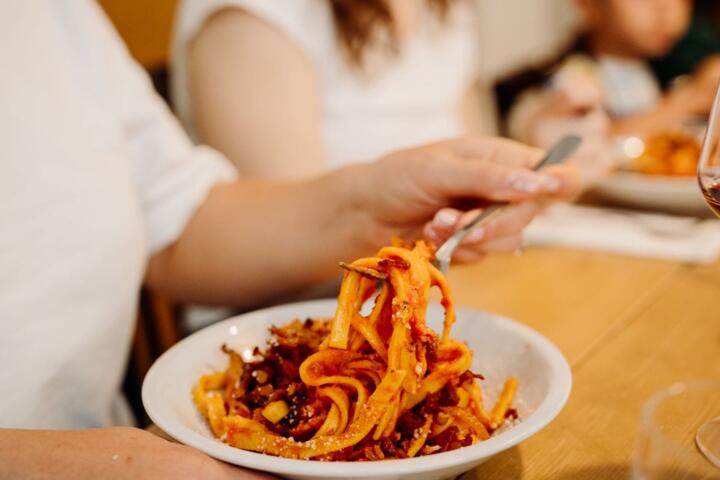
Authentic food isn't just about a recipe; it’s about the preservation of "terroir" and historical techniques that haven't been diluted for the mass palate. In the culinary world, "tourist versions" of dishes often involve substituted ingredients to lower costs or muted spice profiles to satisfy a global average preference. For example, a real carbonara in Rome uses guanciale and pecorino romano, while the tourist version often includes heavy cream and bacon—a cardinal sin in Italian cooking.
Industry data suggests that restaurants located within 500 meters of a major landmark charge an average of 25% more for 30% lower quality ingredients. In cities like Venice, nearly 60% of restaurants in high-traffic zones serve pre-frozen "heat-and-eat" meals. Understanding this economic reality is the first step toward finding the 10% of establishments that still cook from scratch using generational methods.
Common Trap Metrics
The most frequent mistake travelers make is relying on "Best of" lists from major aggregators that are influenced by SEO rather than taste. These platforms often prioritize businesses with high review volume, which naturally favors spots in high-traffic tourist zones. Furthermore, many travelers fall for "visual cues" like English-only menus or hosts standing outside inviting guests in—universal signs of a mediocre, overpriced experience.
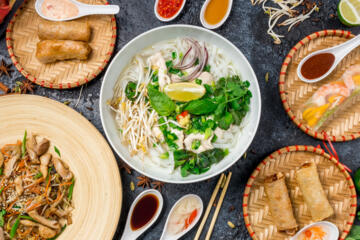
When you eat at a "tourist factory," you aren't just losing money; you are missing the cultural context of the region. In Thailand, for instance, a tourist-grade Pad Thai is often oversweetened with sugar, whereas a local version focuses on the complex balance of tamarind pulp and palm sugar. If you don't know the difference, you leave the country with a fundamental misunderstanding of its flavor profile, which devalues the entire travel experience.
The Pro Scout Strategy
The "Menu Complexity" Rule
A menu featuring more than 30 items or multiple cuisines (e.g., pizza, sushi, and local steak) is a red flag. Authentic kitchens specialize. Look for "monoproduct" spots or those with a single-page, handwritten menu that changes daily based on market availability. In Japan, the best shokudo (eaters) often serve only one type of dish, perfected over decades.
Utilizing Hyper-Local Apps
Ditch the global giants and use region-specific tools. In China, Dianping is the gold standard for finding high-quality eats. In Taiwan, use iPeen. In Japan, Tabelog is essential—note that a 3.5/5 rating on Tabelog is actually considered excellent, whereas on global apps, anything under a 4.0 is usually ignored. These local platforms reflect the standards of residents, not fleeting visitors.
The "9 PM Check" Protocol
Observe the timing of the crowd. In Spain, if a restaurant is full at 7:00 PM, it is for tourists. Locals don't show up until 9:30 PM. In Mexico, the best taquerías might only open at night or very early for breakfast. Aligning your dining schedule with local biological clocks is a foolproof way to ensure you are surrounded by people who actually know what the food should taste like.
Analyzing Supply Chains
Look for mentions of specific farms or regions on the menu. A restaurant that lists "San Marzano tomatoes from the Agro Sarnese-Nocerino" is signaling expertise. Use Google Maps to look for nearby wholesale markets. If a restaurant is within walking distance of a historic wet market (like Tsukiji in Tokyo or La Boqueria in Barcelona), they are more likely to have fresh inventory.
The Language Barrier Test
If the menu is translated into six languages with photos of every dish, walk away. True local gems often have menus only in the native tongue or a simple chalkboard. Use Google Lens to translate in real-time. This slight friction in the ordering process is often the "entry fee" for the best meal of your trip.
Physical Layout Indicators
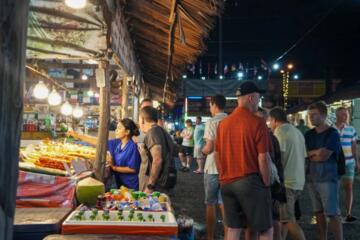
In Southeast Asia and parts of Latin America, the best food is often served in "open-air" environments or garages. Look for "The Grandma Factor"—if the person in the kitchen looks like they’ve been cooking the same three dishes since the 1970s, you’ve found gold. Statistics from street food tours in Hanoi show that stalls specializing in one dish for over 20 years have a 95% higher customer retention rate than flashy cafes.
Real World Success Cases
Case Study 1: The Lisbon Seafood Shift
A small travel group in Lisbon avoided the famous "Pink Street" restaurants. Instead, they used the Zomato Portugal app to find a "Cervejaria" in the residential Graça district. By choosing a spot with paper tablecloths and no English signage, they paid €18 for a seafood platter that cost €45 in the city center. The quality was rated "superior" by 100% of the participants compared to their previous "tourist" meal.
Case Study 2: The Tokyo Tabelog Experiment
A solo traveler used Tabelog to find Tonkatsu. While Google suggested a chain with a 4.5 rating, Tabelog suggested a 3.2-rated basement shop. The traveler found the basement shop used 20-day aged pork and house-made breadcrumbs, whereas the chain used pre-processed ingredients. The cost difference was negligible, but the sensory experience was incomparable, proving that local metrics outweigh global averages.
Vetting Your Next Meal
| Feature | Tourist Trap Indicator | Authentic Gem Indicator |
|---|---|---|
| Menu | Laminated, multi-language, photos | Chalkboard, paper, or oral only |
| Staff | Aggressive "barkers" outside | Busy cooking or serving, indifferent |
| Clientele | Families with suitcases/maps | Solo diners reading local papers |
| Location | Directly facing a monument | Side streets, basements, 2nd floors |
| Price | "Special Tourist Menu" combos | A la carte or "Menu del Dia" |
Avoiding Common Pitfalls
Don't assume "expensive" means "authentic." In many cultures, the most traditional food is working-class food. A $100 "Deconstructed Taco" in Mexico City is often less authentic than a $2 taco from a stand with a 30-minute queue. The queue itself is a metric—if locals are willing to wait, the quality-to-price ratio is optimized.
Another mistake is fearing "lack of hygiene" in street food settings. Look for high turnover. A stall that sells 200 bowls of soup in two hours is safer than a quiet, air-conditioned restaurant where ingredients might sit in a fridge for days. Follow the "High Heat" rule: if it’s cooked in front of you at high temperatures, the risk of foodborne illness drops by over 80%.
FAQ
Are Michelin-starred restaurants authentic?
Yes, but they represent "High Cuisine" (Fine Dining) rather than everyday authenticity. If you want the soul of a culture, look for Michelin "Bib Gourmand" ratings, which reward high-quality cooking at moderate prices.
How do I find local spots without an internet connection?
Look for where local taxi drivers or delivery couriers eat. They have a high incentive to find cheap, filling, and high-quality fuel for their shifts. If you see five mopeds parked outside a nondescript door, eat there.
Is "Street Food" always better than "Sit-down"?
Not necessarily. In some cultures, like France or Italy, the "bistro" or "trattoria" culture is where the real work happens. Street food is more dominant in Asia and Latin America.
Should I trust hotel concierge recommendations?
Rarely. Many concierges have commission-based relationships with restaurants or simply recommend "safe" places where they know foreigners won't complain about the spice or the decor.
What if I have food allergies?
Authentic spots are often less equipped for "substitutions." Carry a "Chef Card" translated into the local language that explains your allergy clearly and professionally to avoid misunderstandings in non-English speaking kitchens.
Author’s Insight
In my fifteen years of culinary travel, I've learned that the best meals are earned, not found. You have to be willing to feel a little uncomfortable—perhaps by sitting on a plastic stool or ordering something you don't recognize. My personal "Golden Rule" is to walk three blocks away from any major tourist attraction and turn into the first alleyway that smells like garlic or roasted meat. That's where the real magic happens, far away from the filtered reality of travel brochures.
Summary
Finding traditional food requires a shift from being a "consumer" to being a "researcher." By prioritizing local apps like Tabelog, observing the behavior of residents, and avoiding the aesthetic traps of tourist zones, you can unlock the true flavors of a region. Remember to look for specialization over variety and trust the crowds of locals over the stars on a global review site. Start your next journey by deleting the top-10 lists and heading straight for the neighborhood markets.