Understanding Cafe and Bistro
Cafes and bistros often get mixed up in conversation, but they offer distinct experiences rooted in history and culture. A cafe primarily focuses on coffee and light fare—pastries, sandwiches—usually with a casual vibe designed for quick visits or lingering with a laptop. For example, Starbucks serves about 4 million customers daily worldwide, emphasizing coffee and convenience.
Bistros, by contrast, serve more substantial meals, with menus influenced by traditional French cooking. They tend to be smaller, intimate eateries with an emphasis on hearty, home-style dishes like coq au vin or cassoulet. In Paris, the average bistro covers just 50 to 70 square meters, creating a cozy atmosphere that encourages dining and conversation.
Both venues may overlap, but their cultural identities differ in scope, pace, and purpose.
Common Misunderstandings
People often assume cafes and bistros are interchangeable because both offer food and drink in an informal setting. This leads to confusion when choosing a venue for social or business meetings. Cafes encourage short stops, while bistros aim for a dining experience lasting an hour or more.
Mislabeling affects customer expectations, menu design, and even pricing. For instance, viewing a bistro as a cafe might prompt diners to expect only light snacks, which clashes with the restaurant’s intent. This mismatch reduces satisfaction and can harm repeat business. In practice, a cafe might attract remote workers seeking free Wi-Fi, unlike a bistro that prioritizes ambiance over fast turnover.
When a venue misrepresents itself, service quality often drops because staffing and kitchen resources don’t align with customer needs.
Clearer Choices
Define the Menu Focus
Identify your core offerings upfront. A cafe should highlight artisanal coffees, teas, and grab-and-go foods. This focus appeals to walk-ins and coffee aficionados. Tools like Square POS systems help manage high-volume small orders efficiently. In contrast, bistros invest in fresh, complex dishes requiring kitchen capacity and skill—menu engineering software like MenuCalc assists in cost control to maintain margins.
Set the Atmosphere Intentionally
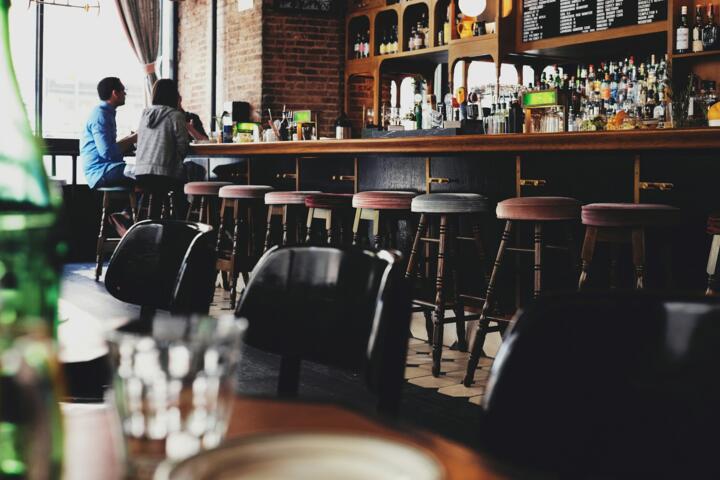
Cafes benefit from bright lighting, casual seating, and flexible layouts to accommodate quick visits or solo patrons. Bistros thrive with warm lighting, fixed tables, and a cozy setting that supports longer stays and conversations. The lighting difference alone alters guest behavior profoundly.
Adjust Service Speed
Cafes operate better with quick, counter-based service allowing customers to come and go rapidly. Bistros generally require table service, with meals paced to enhance the dining experience. POS systems like Toast include features to manage course timing—a must for bistros, albeit overkill for cafes.
Utilize Staff Training
Baristas should master drink craft and upselling at cafes. Bistro servers demand knowledge of the menu’s culinary details, wine pairing, and a gentler pace of interaction. Proper investment in staff training drives authenticity in both formats.
Leverage Location and Foot Traffic
Cafes perform well in high-foot-traffic areas—train stations, business districts—where grabs and laptop use dominate. Bistros work best in neighborhoods with a dining culture that values meals as social rituals. Location strategy must align with operational details to avoid concept drift and confusion for customers.
Incorporate Branding Messages
Clear branding distinguishes cafes from bistros. Cafes often highlight speed, freshness, and comfort. Bistros evoke tradition, quality, and conviviality. This shapes design elements—logo colors, paper menus, packaging—impacting customer perceptions before they even step inside.
Offer Appropriate Pricing
Pricing at cafes remains accessible with an average latte costing $3.50 to $5. Bistros command higher prices, typically $15 to $40 per entrée, to cover greater ingredient and labor costs. Transparent pricing aligns customer expectation with value delivered.
Integrate Technology Wisely
Cafes benefit from mobile order apps and loyalty programs that boost repeat visits. Bistros rarely emphasize tech beyond reservation systems like OpenTable, as the focus lies on ambience and meal quality rather than rapid service turnover.
Real Examples of Impact
The French bistro Le Comptoir du Relais, Paris, caters to locals and tourists seeking traditional dishes with a twist, maintaining a loyal customer base despite limited seating. Their concept clarity allows just a dozen tables to run efficiently, even when reservations swell by 30% during tourist season.
Meanwhile, Blue Bottle Coffee in San Francisco revolutionized cafe culture with a minimalist menu focused on coffee quality and fast service. They grew from a single store in 2002 to 100+ outlets, thanks in part to streamlined operations and clear branding aimed at coffee enthusiasts who prize speed and quality.
Culture Differences at a Glance
| Feature | Cafe | Bistro | Typical Price |
|---|---|---|---|
| Primary Focus | Coffee, Light Food | Hearty Meals | $3.50–$5 |
| Atmosphere | Bright, Casual | Cozy, Intimate | $15–$40 |
| Service Style | Counter, Fast | Table, Pacing | — |
| Menu Design | Simple | Complex | — |
| Technology Use | Mobile Ordering | Reservations | — |
Mistakes to Avoid
One key mistake is running a bistro menu with cafe-style service speed. The kitchen and staff get overwhelmed, and guests leave frustrated. Another error lies in branding: if decor screams composed dining but the menu lists only pastries, confusion reigns.
Pricing mismatch also kills equilibrium. Charging café prices for full bistro meals invites losses, while high prices on simple coffee drive away customers quickly. Use real-time sales data; many POS programs report dish popularity allowing menu tweaks to suit your actual crowd — often overlooked and costly.
Failing to train staff for the type of service also shows. Servers unfamiliar with wine or course pacing undermine bistro authenticity. On the flip side, undertrained baristas slow down busy cafes and discourage repeat visits.
Finally, ignoring location dynamics means losing potential customers to competitors better aligned with neighborhood habits and desires.
FAQ
What defines a cafe vs bistro?
Cafes focus on coffee and light snacks served quickly in casual settings. Bistros offer full meals, often French-inspired, with table service and a cozier atmosphere.
Can a venue be both?
Some hybrid spaces blur lines, serving coffee and full meals, but mixing can confuse customer expectations unless clearly communicated.
Which is better for business meetings?
Cafes offer informal, flexible spaces for short meetings. Bistros provide a quieter, more private environment for extended discussions.
How do menus differ?
Cafe menus include pastries, sandwiches, and drinks; bistro menus list hearty entrees, often with wine pairings.
Do both use technology similarly?
Cafes thrive on mobile ordering and rapid turnover tools. Bistros focus on reservation management and pacing meal courses.
Author's Insight
Having worked in both worlds, I've noticed subtle yet profound shifts in guest behavior rooted in these cultural differences. My takeaway: clarity in concept shapes guest satisfaction sharply. Operating a cafe with bistro expectations leads to constant friction. Precise messaging and matched service flow cut through that mess. In my experience, the finer details—lighting, menu timing, server knowledge—make the difference between a thriving spot and an empty room.
Key Takeaways
Understanding cafe and bistro culture involves recognizing their differing food offerings, service styles, and atmospheres. This distinction influences guest experience and business operations profoundly. Operators should align menu, service, and branding clearly to match one concept. In short, design for speed and casual in cafes; cultivate slow, warm hospitality in bistros. Customers will respond accordingly.