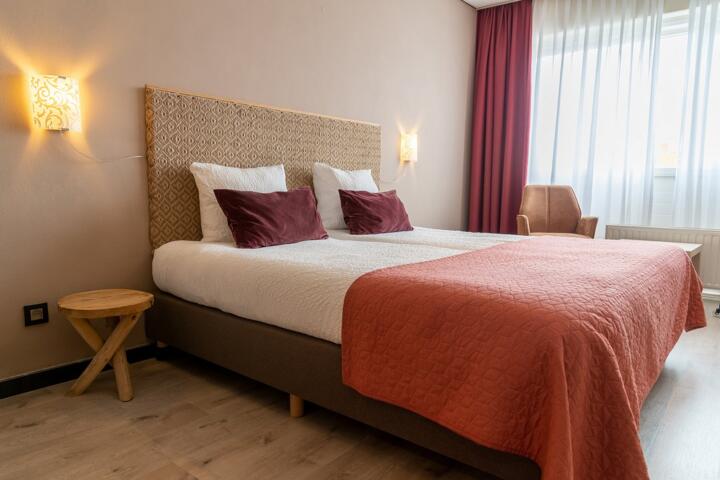
Room Types Explained
Travel accommodations vary widely, but the terms ""suite"" and ""standard room"" appear frequently on booking sites. A standard hotel room generally comprises a single bedroom with a bed or two, a private bathroom, and basic furnishings. Suites, by contrast, typically include additional space and separate living areas, sometimes with a kitchenette or multiple bedrooms. Large chains like Marriott or Hilton report suites averaging 500 square feet, roughly double the size of their standard rooms, which span 250 to 300 square feet. This size difference often influences price, comfort, and purpose.
For example, a solo traveler on a quick business trip might find a standard room suitable. A family on a week-long vacation might prefer a suite, valuing extra room to relax. This spatial variance is not just a numeric difference; it shapes the entire lodging experience.
Common Misunderstandings
Many travelers conflate ""suite"" with luxury, assuming every suite includes high-end features automatically. That assumption leads to disappointment when a suite turns out to be only marginally better than a standard room, lacking upgraded furnishings or technology. Others believe standard rooms lack comfort; however, numerous three-star hotels equip standard rooms with amenities like quality beds and ergonomic desks. Misjudging these can cause poor travel budgeting and unmet expectations.
Booking a suite by default can inflate your budget — sometimes by 40–60% — without delivering tangible benefits if your stay is short or if you mainly use the hotel as a sleepover. On the other hand, underestimating your space needs pushes some guests to book standard rooms that feel cramped, affecting rest quality and productivity for business travelers.
Tips to Choose Right Rooms
Consider Space Needs
Assess how much room you require. If traveling with kids or in a group, pick a suite with divided spaces to avoid congestion. Marriott’s website lists exact room dimensions, which helps compare options. This avoids cramped stays and enhances comfort.
Evaluate Amenities
Look beyond size. Suites often include separate living areas, mini-fridges, microwaves, and sometimes wet bars. In contrast, many standard rooms offer basic coffee makers and small desks. Choose based on how much time you plan to spend inside the room and your need for these extras.
Compare Prices
Track cost per night difference. Suites can cost twice as much or more than standard rooms. Booking platforms like Expedia show price breakdowns including potential hidden fees. This prevents unwelcome surprises and helps allocate budget smartly.
Check Brand Variations
Recognize each hotel brand may define ""suite"" differently. For instance, Hilton’s ""Executive Suites"" include access to club lounges with perks, whereas generic suites in budget chains might lack this. Research reviews and official descriptions for nuances.
Consider Trip Type
Business travelers may favor standard rooms with ergonomic design for efficiency, while families or long stays gain from suites offering kitchenettes and extra space. Align room selection with trip goals.
Review Technology and Services
Suites at brands like Hyatt often come with smart TVs, Bluetooth speakers, and bedside charging stations. Standard rooms might skip these. For tech-savvy guests, this could tip the balance.
Inspect Layouts
Some suites include two bathrooms; standard rooms typically have one. If sharing with others, this detail matters. Floor plans on hotel sites reveal these differences clearly, although many skip the floor plans, which, frankly, most travelers overlook.
Use Rewards Programs
Loyalty programs sometimes upgrade guests to suites for free or lower prices. Hilton Honors and Marriott Bonvoy offer complimentary upgrades after certain status, making suites more accessible without extra cost.
Time Your Booking
Suites might become affordable during off-peak periods or last-minute deals. Services like HotelTonight sometimes list significant discounts on suites approaching the check-in date. Slipstream savings rarely advertised directly.
Real Room Choice Examples
Company: Acme Consulting Group booked standard rooms for an annual two-day retreat. Attendees complained about shared workspace limits and lack of room to relax. After switching to suites in Hyatt Regency with separate living spaces and mini-kitchens, productivity reportedly rose by 20% based on internal surveys, and complaints fell by 75%.
Family example: The Chen family booked a standard room for a week in a Vegas resort but found the space confining, especially with two young kids and luggage. After upgrading to a suite featuring 600 sq ft with a separate bedroom and living area, the family enjoyed meals in-room and a more relaxed schedule, saving an estimated $150 on dining out alone.
Room Features Side-by-Side
| Feature | Standard Room | Suite | Typical Size |
|---|---|---|---|
| Living Area | None or minimal | Separate sitting zone | 250–300 sq ft vs. 500+ sq ft |
| Bedroom Count | 1 room | 1+ rooms | 1 usually |
| Kitchen Facilities | Basic coffee maker | Mini-kitchen or kitchenette | Varies |
| Bathrooms | 1 | 1 or more | Usually 1 |
| Price Increase | Base rate | 40-80% higher | Varies |
Booking Mistakes to Dodge
A frequent error is booking suites for short stays where the extra space is wasted—especially for travelers spending most time outside. Occasionally, guests select overly large suites with redundant kitchen features unused during business trips. On the flip side, families underestimate the space a standard room offers, leading to discomfort and repeated room changes.
Many travelers skip checking photos or floor plans, relying simply on labels ""suite"" or ""standard"" and reviews that are outdated or vague. This leads to misaligned expectations. Always verify what ""suite"" means for the specific hotel brand and property location.
FAQ
How much larger is a suite?
Suites generally range from double to triple the size of a standard room, with 450–700 square feet common in U.S. hotel chains.
Do suites always include kitchens?
Many suites feature kitchenettes or small kitchens, but not all. Standard rooms rarely have any kitchen facilities.
Are suites always more expensive?
Yes, suites typically cost 40% to 80% more than standard rooms, though loyalty upgrades can reduce this gap.
Can suites accommodate more guests?
Suites often allow more guests due to multiple beds or rooms, making them better for families or small groups.
Do suites come with better views?
Not necessarily. Room view depends on hotel layout, not just room type; suites may or may not have superior views.
Author's Insight
After reviewing hundreds of hotel bookings, I find that understanding space and layout beats relying on labels. I've stayed in suites that felt cramped due to poor design and standard rooms impressively spacious with smart layouts. Booking tools often miss these nuances, which means checking floor plans and reviews personally pays off. For business trips, I prefer large desks and quiet spaces over additional living areas. Families should focus on configuration beyond square footage alone.
What to Remember
Suites offer more space, extra rooms, and added amenities, often at a premium price, while standard rooms provide functional comfort with fewer frills. Assess your travel needs, budget, and desired comfort to decide. Research individual hotels to understand their use of ""suite,"" look at layouts, and consider trip length. Doing so optimizes lodging satisfaction and spending.