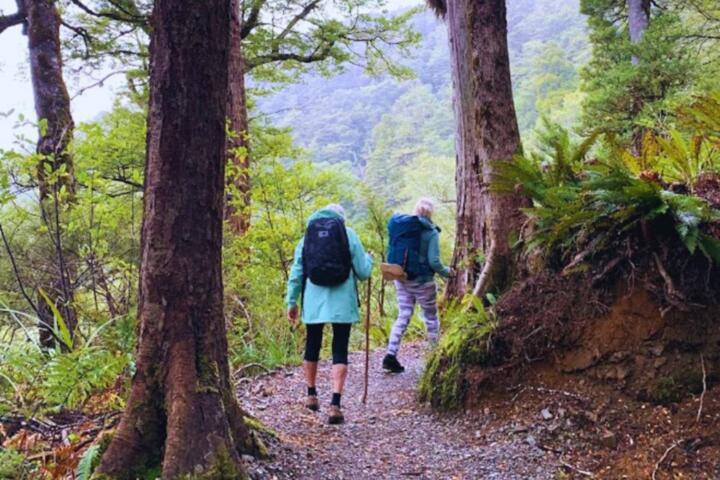
Global Trekking Landscape
Trekking at an elite level is an exercise in risk management and physiological endurance. It differs from a standard "walk in the woods" by the scale of isolation and the complexity of the terrain. Whether it is the thin air of the Himalayas or the unpredictable microclimates of Patagonia, these routes demand a respect for geography that modern life often obscures.
Consider the logistical density of a trip to the Khumbu region. It isn't just about walking; it is about managing a 15-day caloric deficit while your body processes 50% less oxygen than at sea level. In 2023, the Himalayan Database recorded a significant uptick in successful summits and high-pass crossings, yet the margin for error remains razor-thin due to rapid weather shifts.
In practice, "iconic" status is earned through a combination of geological uniqueness and cultural immersion. For instance, the Inca Trail isn't just a path; it is a 500-year-old engineering marvel. Navigating it requires understanding that you are walking on hand-carved stone steps that have survived centuries of seismic activity and tropical erosion.
Costs of Poor Preparation
The most common mistake among modern trekkers is the "Instagram Fallacy"—the belief that a trail’s beauty correlates with its ease of access. This leads to inadequate gear selection and a lack of physical conditioning. High-altitude edema (HAPE and HACE) and severe dehydration are not theoretical risks; they are the primary reasons for emergency evacuations on trails like Kilimanjaro.
Failure to secure permits through official channels like the CONAF in Chile or the Peruvian Ministry of Culture can end a trip before it starts. In 2024, permit wait times for the "W" Trek in Torres del Paine often exceed six months. Showing up without a reservation isn't just a minor inconvenience; it is a legal barrier that results in immediate removal from the park.
Furthermore, many hikers underestimate the "gear-terrain mismatch." Using lightweight trail runners on the sharp volcanic scree of Iceland’s Laugavegur can lead to catastrophic footwear failure. This leaves the trekker stranded with injured feet in a region where the nearest rescue could be hours or days away by foot.
Mastering Great Trails
The Himalayan Standard: Everest Base Camp via Gokyo Ri
While the traditional EBC route is crowded, the Gokyo Ri circuit offers a superior technical experience. It involves crossing the Cho La Pass at 5,420 meters. To succeed, use a "climb high, sleep low" strategy. Your ascent should not exceed 300-500 meters of sleeping elevation per day once above 3,000 meters. Utilize services like Magellan or Garmin inReach for satellite communication where cellular signals fail.
Patagonian Resilience: The O-Circuit in Torres del Paine
The O-Circuit is the 110km superior version of the popular W-Trek. It requires carrying 7-9 days of food. The key is wind management; gusts in the Cordillera del Paine can reach 100km/h. Use a four-season tent with a low profile, such as the Hilleberg Akto. Booking through Las Torres or Vertice is mandatory for campsites, and these should be secured exactly when the booking window opens in June.
The Alpine Classic: Tour du Mont Blanc (TMB)
Covering 170km through France, Italy, and Switzerland, the TMB is about vertical gain—roughly 10,000 meters total. The secret here is "fast-packing" or using luggage transfer services like Cicerone guides recommend. Stay in "Refuges" to save weight, but book them via the central Autour du Mont Blanc portal. Focus training on eccentric quad loading to handle the 1,000-meter daily descents.
Incan Engineering: The Classic 4-Day Trek
Success on the Inca Trail is determined by your choice of operator. Only 500 people are allowed on the trail per day (including porters). Choose an operator that prioritizes porter welfare, such as Alpaca Expeditions. To combat the 4,215m Dead Woman’s Pass, begin a Diamox regimen 24 hours before arriving in Cusco, provided you have consulted a travel clinic.
The Volcanic Traverse: Iceland’s Laugavegur
This 55km trail is a study in geothermal activity and glacial river crossings. The primary tool here is a pair of neoprene socks and dedicated river-crossing sandals. Do not cross rivers barefoot; the glacial silt hides sharp rocks. Check SafeTravel.is every morning for weather updates, as sandstorms or sudden blizzards can occur even in July.
The Te Araroa: New Zealand’s Ultimate Challenge
For those looking for a "thru-hike," the Te Araroa spans 3,000km. However, the Richmond Range section is the true test of grit. It requires advanced navigation skills. Use the FarOut (Guthook) app for real-time water source updates and track conditions. This isn't just a walk; it’s a series of river crossings and steep technical ridgelines that demand high-level backcountry experience.
Pacific Northwest Majesty: The West Coast Trail
Located on Vancouver Island, this 75km trail is famous for its ladders and deep mud. You are essentially hiking in a temperate rainforest. Use a waterproof pack liner rather than a rain cover. The Parks Canada reservation system is highly competitive; be online the second it opens in early spring. Statistical data shows that over 60% of injuries here occur on slippery boardwalks and ladders.
Expedition Outcomes
Case Study 1: The Logistics of the High Atlas
A group of six trekkers attempted Mount Toubkal in winter without technical crampons, assuming it was a standard "walk-up." At 3,800 meters, they encountered blue ice. By pivotally switching to a guided service from Much Better Adventures that provided technical gear and local Berber guides, the group successfully summited safely. The lesson: local expertise outweighs online forums.
Case Study 2: The Efficiency of Ultralight Gear
An experienced hiker on the Appalachian Trail transitioned from a 20kg base weight to 8kg using brands like Hyperlite Mountain Gear and Zpacks. This reduction in load allowed for an increase in daily mileage from 15 miles to 24 miles. The result was a 20% reduction in total trip duration and a significant decrease in overuse injuries like plantar fasciitis.
Gear & Preparation
| Category | Essential Item | Expert Recommendation/Brand |
|---|---|---|
| Navigation | Satellite Messenger | Garmin inReach Mini 2 |
| Footwear | B3 Rated Boots or Trail Runners | La Sportiva (Alpine) / Altra (Thru-hiking) |
| Hydration | Hollow Fiber Filter | Sawyer Squeeze or Katadyn BeFree |
| Shelter | Dyneema or Ripstop Tent | Big Agnes Copper Spur HV UL |
| Clothing | Merino Base Layers | Smartwool or Icebreaker (200 gsm) |
| Nutrition | High Caloric Density Meals | Peak Refuel or Firepot Food |
Pitfalls to Avoid
One major error is the reliance on digital maps without a physical backup. In cold environments, lithium-ion batteries in smartphones can drop from 80% to 0% in minutes. Always carry a paper topo map and a magnetic compass. Furthermore, keep your power bank inside your sleeping bag at night to preserve its charge.
Another pitfall is "over-planning" the daily mileage. On trails like the GR20 in Corsica, the terrain is so rugged that a 10km day can take 8 hours. Respect the "book time" provided by local trail guides. If a guide says a section takes six hours, do not assume your fitness will cut that in half; the terrain, not your lungs, often dictates the pace.
Finally, ignoring "Leave No Trace" (LNT) principles isn't just bad ethics; it’s increasingly illegal. In many high-altitude regions, you are now required to carry out your own solid waste. Products like WAG Bags are becoming mandatory in sensitive ecosystems like Mount Whitney or parts of the Andes. Failure to comply can result in heavy fines and permanent bans from the parks.
FAQ
How do I train for high-altitude trekking if I live at sea level?
Focus on "vertical displacement" training. Use a stair climber or find the tallest building available and do repeats with a weighted pack. Supplement this with high-intensity interval training (HIIT) to improve VO2 max, which helps your heart work more efficiently in low-oxygen environments.
What is the most effective way to prevent blisters on multi-day treks?
Use a dual-layer system: a thin moisture-wicking liner sock (like Injinji toe socks) under a thicker merino wool trekking sock. If you feel a "hot spot," stop immediately and apply Leukotape or Compeed. Once a blister forms, the damage to your pace is already done.
Is travel insurance necessary for international trekking?
Yes, but it must be specific. Standard policies often exclude "mountaineering" or trekking above 3,000 meters. Use a provider like World Nomads or Global Rescue, and ensure the policy covers helicopter evacuation. A private heli-evacuation in Nepal can cost upwards of $5,000 USD out of pocket.
Can I trek these iconic trails solo?
While possible on the TMB or Laugavegur, it is discouraged on remote routes like the O-Circuit or EBC unless you are an expert navigator. Many countries, including Nepal, have recently implemented rules requiring solo trekkers to hire a licensed guide in certain regions to improve safety and support the local economy.
What is the best time of year for Patagonia?
The austral summer (December to late February) offers the most daylight and "warmest" temperatures. However, the "shoulder seasons" of November and March offer fewer crowds and spectacular fall colors, though you must be prepared for freezing temperatures at night.
Author’s Insight
Having spent over a decade traversing these routes, I’ve learned that the most expensive gear cannot replace mental resilience. I once watched a trekker with $5,000 worth of brand-new equipment quit on Day 2 of the West Coast Trail because they couldn't handle the rain. My advice? Test your gear in the worst weather your local area offers before you fly across the world. True expertise is born in the mud and the wind, not in the gear shop. The best trail is the one you are physically and mentally prepared to finish.
Summary
Experiencing the world’s most iconic hiking trails is a transformative endeavor that requires more than just physical fitness. It demands meticulous logistical planning, a deep understanding of environmental risks, and the right technical tools. Start by identifying a trail that matches your current skill level, secure your permits months in advance, and invest in high-quality, lightweight gear. By prioritizing safety and ecological respect, you ensure these legendary paths remain open and pristine for future generations of trekkers. Now, select your route, verify your insurance, and begin your ascent.