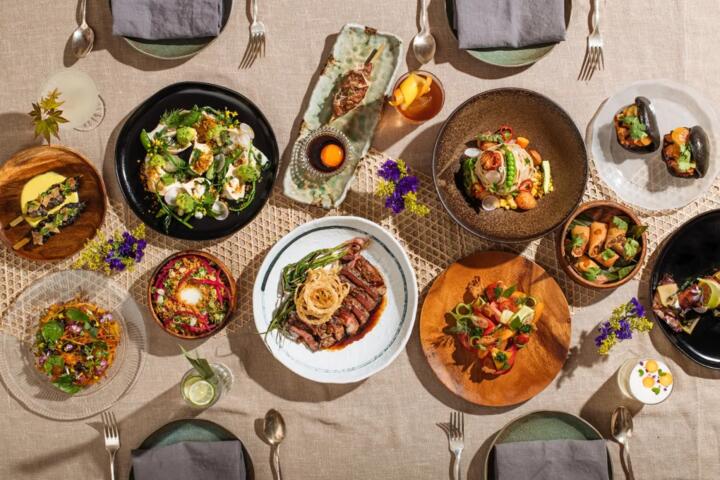
What id Tasting Menu
A tasting menu consists of several small courses, each presenting different flavors, textures, and techniques. Common in fine dining, these menus aim to take diners on a culinary journey. For example, a 2023 Michelin-starred restaurant in New York served a 9-course tasting menu featuring seasonal ingredients like morel mushrooms and heritage pork. Diners typically pay around $150 to $300 for this carefully orchestrated meal.
Unlike ordering individual dishes, tasting menus pair courses to build harmony and contrast—an experience that highlights the chef’s creativity.
They often include palate cleansers like sorbets to reset the taste buds between courses. This strategic sequencing creates rhythm and balance during the meal.
Expect timelines around two to three hours for full menus, depending on the restaurant.
It’s a different meal than a casual dinner.
Misconceptions and Pain Points
Many diners think tasting menus mean tiny portions or meals just for show. While sizes can feel modest, the volume accumulates—the average tasting menu delivers about 20 ounces of food across 8–12 courses. It’s not a snack.
Overlooking the time required sheds light on complaints about feeling rushed or sitting too long. Sometimes restaurants push too quickly; guests end up tired or overwhelmed.
People expect to pick and choose courses, but tasting menus rely on a set progression. Substitutions are rare except for allergies or strict diets. This rigidity frustrates some diners.
Expecting traditional favorites also leads to disappointment—chefs usually design menus to explore unique, less familiar flavors.
Miscalculating the wine pairing cost adds surprise bills, too.
Tips and Practical Advice
Choose menus with themes
Menus centered on themes such as local ingredients or a single protein, like a duck-focused tasting at a Boston restaurant, allow a deeper flavor exploration. Thematic designs help chefs create cohesive narratives and let diners appreciate subtle variations.
Time your visit strategically
Reserve early dinner slots for a more relaxed pace; peak times can feel rushed. Some restaurants space courses deliberately over 15-20 minutes each. This helps digestion and conversation flow.
Communicate dietary needs upfront
Provide clear allergy or preference details when booking. Most high-end places adjust without fuss but only if informed. For example, substituting vegetarian options in a fish-heavy menu requires advance notice.
Consider wine or beverage pairings after tasting the menu
Pairings raise the bill 50% or more but introduce complementary flavors enhancing each course. A 2022 survey by Wine Enthusiast showed 68% of tasting menu guests preferred pairing because it highlighted subtleties otherwise missed.
Know when to stop
Some menus include optional extra courses or cheese boards. It’s fine to skip extras to avoid overload. Remember, many diners feel too full by course seven or eight.
Take notes or photos subtly
Recording dishes helps recall favorites later. It can also assist chefs getting feedback. Just avoid flash photography or disruptive habits.
Use apps for reservations and timing
Platforms like Resy or OpenTable allow you to book specifically for tasting menus. They often note meal length and special instructions, so check carefully before booking.
Ask about portion sizes
Call ahead or check reviews to understand serving volumes. This avoids surprises—some restaurants go heavier than others, for instance, a 30-gram amuse-bouche or a full 100-gram main portion.
Embrace the surprise
Order the chef’s choice if available. Chefs tailor menus daily based on ingredient availability and inspiration. It offers unpredictability for adventurous diners.
Tasting Menu Scenarios
A boutique Paris restaurant struggled with slow service causing guest complaints. They revised their tasting menu from 12 down to 9 courses, streamlined plating, and trained staff for timing precision. Within three months, average meal time dropped 35 minutes, and Yelp ratings climbed by 20% in the ""Food"" category.
In another case, a luxury resort launched a seafood-focused tasting menu but got low repeats. They added a wine pairing with local vintages, involved a sommelier in pre-dinner explanations, and sales increased by 40% the first season.
Tasting Menus Checklist
| Factor | Tips | Why it matters | Outcome |
|---|---|---|---|
| Course count | 8–12 recommended | Balance enjoyment and fullness | Better guest satisfaction |
| Timing | 15–20 minutes per course | Prevents rush, improves pacing | More enjoyable meal flow |
| Communication | Notify dietary restrictions early | Avoids last-minute issues | Smooth dining experience |
| Beverage pairing | Choose if enhancing flavors | Adds dimension to dishes | Better taste profiles |
| Portion size | Check reviews or ask | Prevents hunger or waste | Balanced meal experience |
Typical Errors and Fixes
Ordering a tasting menu without researching the style often causes dissatisfaction. Prevention: review menus online to align expectations.
Ignoring pacing results in either restlessness or fatigue. Fix by asking staff for pacing guidelines and choosing off-peak times.
Skipping dietary disclosures risks emergency menu changes or missing courses. Plan ahead to avoid awkward dinner interruptions.
Expecting a la carte freedom frustrates many. Accept the chef’s sequencing as part of the experience to avoid disappointment.
Over-indulging in wine pairings leads to a bloated feeling and loss of taste sensitivity. Sip slowly or share pairing flights with the table.
FAQ
What is a typical tasting menu course count?
Most tasting menus serve between 8 and 12 small courses depending on the restaurant’s style and location.
How long does a tasting menu meal take?
The dining experience usually lasts 2 to 3 hours, with courses served every 15 to 20 minutes on average.
Are tasting menus always pre-set?
Yes, tasting menus offer fixed courses chosen by the chef, though exceptions are sometimes made for allergies or strict dietary needs.
Can you choose a wine pairing with a tasting menu?
Almost all tasting menus offer wine or beverage pairings, which complement each course but add to the overall cost.
Is a tasting menu suitable for picky eaters?
Because menus are set and include adventurous flavors, picky eaters may struggle and should consult the restaurant beforehand.
Author's Insight
Having worked alongside chefs crafting tasting menus, I know timing and ingredient balance matter most. Guests often underestimate pacing, arriving hungry but leaving overwhelmed. Communicating dietary needs early makes all the difference. Trying a chef’s choice menu opened my eyes to flavor storytelling. Sharing pairings enhances the journey, but skipping extras helps avoid fatigue.
What to Remember
Tasting menus deliver a unique multi-course meal designed by expert chefs combining flavor, texture, and presentation over time. Understanding the format, pacing, and expectations improves enjoyment. Booking thoughtfully, communicating dietary needs, and considering pairings make the difference between an average dinner and a memorable event. Approach your next tasting menu with curiosity—and a light appetite.