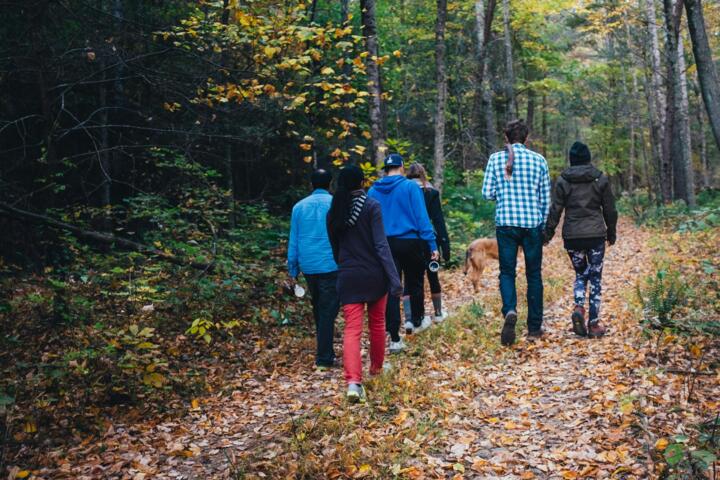
What Free Walking Tours Are
Free walking tours start as informal strolls where a guide leads visitors through neighborhoods, historic sites, or urban highlights. The ""free"" label means no upfront fee; guests tip what they think the tour merits, usually between $10 and $20 per person. For example, New York City alone hosts over 100 such tours monthly, drawing thousands of tourists eager to explore economically. Guides often tell stories that official audio guides skip, such as lore behind the 1911 Triangle Shirtwaist Factory fire or lesser-known jazz haunts in Harlem.
The typical tour might last 1.5 to 2.5 hours, cover 1.5 to 3 miles, with stops at 6 to 10 points of interest. You get history, local culture, and personal anecdotes—and the choice to pay after you see the worth. No booking fees are a common feature, but some groups require prior registration for headcount.
Misconceptions and Frustrations
Many expect free tours to match professional, paid tours in thoroughness and pacing. They do not. Free guides often work on tips alone, so motivation can vary. Some assume guides are licensed experts, but several operate without formal certifications, which can show in the accuracy of information or safety planning. One bad experience—like a rushed walk covering 2 miles in 45 minutes—can sour perception.
People sometimes confuse the word “free” with “zero cost” tours where no payment is ever expected. That misleads many travelers about the quality and the etiquette. When tips fall short, guides might cut corners, skip parts, or multitask inefficiently. There is no fallback when tours get canceled last minute or get too large without proper management—common in high-tourist cities like Barcelona or Prague. The gaps matter when sightseeing time is limited.
How to Get More from These Tours
Select Reputable Providers
Check platforms like TripAdvisor and Google Reviews for consistent ratings over 4.5 stars. Providers such as Sandemans New Europe or Free Tours by Foot have shown higher quality across multiple cities. Verified tours list guides’ credentials and outline routes clearly. Using these sources leads to tours averaging 20–30 participants, which maintains interaction quality.
Reserve Spots Early
Advance booking minimizes last-minute cancellations. Popular tours fill within days or weeks, especially in summer. Many groups allow reservations through their websites or apps. Doing this helps guides anticipate tour size and prepare commentary better. Walk-ups risk joining overcrowded groups or none at all.
Suspend Expectations for Depth
Free tours deliver highlights and general information but rarely offer deep dives or specialized topics like architecture styles or historical controversies. For deeper knowledge, pairing a free tour with a paid museum visit or audio guide app adds value. Use the free time wisely; the walking tour often aims to inspire more exploration rather than replace thorough study.
Listen Actively and Engage
Asking questions encourages guides to share personal insights or anecdotes they would skip in a scripted talk. Walking tours thrive on interaction. Prepare a couple of thoughtful questions about local culture or history. The guide’s enthusiasm often improves dramatically when engaged, resulting in more lively, memorable storytelling.
Use Payment to Influence Quality
The money you give guides post-tour directly feeds motivation and livelihood. Aim to tip between 10-15% of what a paid tour costs in the same city. Many guides count on fair tips to continue offering quality experiences. If you receive exceptional insight or service—tip accordingly. If the tour feels rushed or inaccurate, adjust accordingly. Your payment sends a clear signal.
Take Notes or Record
Records help retain facts and anecdotes once you move on. Some guides pause and allow photography or short voice recordings of their commentary. This is helpful for travelers with 1 to 3 days in a city or those hunting down specific subjects like local myths or food culture. Forgetting names or dates happens fast after a long walking tour.
Consider Group Size and Pace
Early morning tours often have fewer attendees, around 10–15, ensuring smoother communication. Afternoon or weekend tours risk 30-plus people, diluting interaction. Pace varies—but a good guide balances slow stops with brisk walking sections, allowing time to absorb the surroundings. If a guide speeds constant, your mental fatigue will spike.
Combine with Solo Exploration
Use the free tour to get oriented, then revisit favorite spots alone or with a local friend. Tours rarely cover every nook, especially food markets or independent shops. That way, you extend the value of your time without doubling costs. I often map a 3-mile route on Google Maps marked from the walk—adds to context.
Watch for Hidden Costs
Sometimes tours end near cafes or souvenir shops where guides receive commissions—common in Europe but rarely disclosed upfront. These are optional but may pressure some guests. If you want a pure experience, avoid stopping at shops unless curiosity outweighs a potential sales pitch.
Real-Life Tour Examples
A major travel review site highlighted a Free Tours By Foot walking tour in New Orleans. The group faced difficulties including a late start and a guide who lacked historical depth, resulting in only 38% satisfaction. After feedback, the company retrained guides, reorganized routes, and within three months, satisfaction jumped to 85%, with average tips rising 20%.
In Lisbon, a local startup offered free walking tours focused on street art and urban culture. They reported 10,000 guests in 2023, relying heavily on digital booking and interactive maps accessed via QR codes. This approach cut group size down to 12, and average tipping increased from about $8 to $18—showing investment in niche knowledge pays off.
Checklist: Free Tour Essentials
| Aspect | Good Sign | Watch For | Impact |
|---|---|---|---|
| Guide Experience | Positive reviews, local roots | Unclear credentials, hurried speech | Better engagement, richer stories |
| Group Size | Under 20 members | Overcrowded, distractions | Personal questions answered |
| Route Complexity | Covers historical and lesser-known spots | Repetitive or overly short | Memorable, informative journey |
| Payment Clarity | Clear tip guidelines | Hidden commissions | Fair compensation for guide |
Common Pitfalls to Skip
Do not assume all free tours are equal. Test one out early in your trip rather than your last day; if it disappoints, you have time to switch to paid options. Avoid silent guides who skip story delivery or simply lead without commentary. Don’t ignore your group's comfort—if the pace feels unbearable for anyone, flag it early or step out. Not every tour is wheelchair accessible or stroller-friendly—check ahead.
Tip generously if the guide excels, but don't feel pressured. Protect yourself from misleading invitations to side stops where they get kickbacks. Lastly, don’t overload your schedule by combining more than two tours a day—energy and information retention drop fast.
FAQ
Are free walking tours truly free?
They charge no upfront fees but rely on voluntary tips. Paying is customary to support the guide’s income.
How long do these tours typically last?
Most last between 90 and 150 minutes, covering around 1.5 to 3 miles.
Do I need to book in advance?
Many tours recommend advance booking to secure a spot and avoid no-shows.
Are guides licensed or trained?
Licensing varies by city. Many guides lack formal certification but have local knowledge; check reviews for indications of quality.
Can free tours replace paid tours?
No. They complement paid options but often lack deep specialization or private-group flexibility.
Author's Insight
I’ve led and taken dozens of free walking tours in Europe and the US since 2015. The best ones blend history with personal storytelling, which paid tours sometimes miss. Yet, the inconsistent quality left me wary—once I stayed with a group of 40 people in downtown Rome, and it was a mess. The right tour turned a bland city into a living tale. Always tip based on what you gained; it’s the clearest feedback for guides. I also keep an Evernote note on new tones or facts—version 3.4 of my travel database.
Summary
Free walking tours offer a gateway to local culture and history at low cost, but quality varies widely. Choose providers wisely, book in advance, engage actively, and tip well to improve experiences. Use tours as orientation tools, then dive deeper solo or with specialized visits. Avoid overcrowded groups and hidden costs. This strategy turns free tours into enriching, memorable city walks.