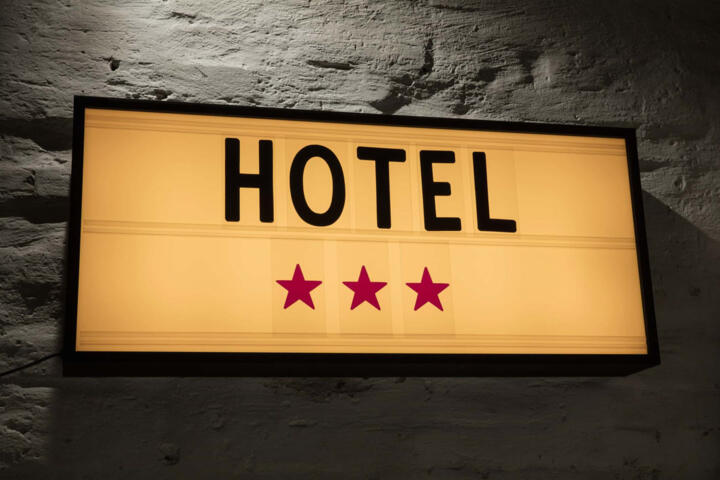
Understanding Hotel Stars
Hotel star ratings claim to summarize quality, but the reality is complex. A 3-star hotel in New York might be very different from a 3-star hotel in Jakarta. Stars often reflect amenities, services, and facilities such as room sizes or onsite dining options. According to Statista, 67% of travelers check star ratings first—yet only 44% understand what these stars indicate in detail.
For example, a 5-star hotel from a luxury chain like Four Seasons guarantees high-end finishes and concierge service. Meanwhile, a 1-star property might offer minimal facilities but clean, secure rooms. Standards vary by country and rating authority—some rely on government inspection, others depend on guest reviews.
The takeaway: star ratings map roughly to luxury levels but never tell the full story. Check specifics to be sure.
Why Stars Cause Confusion
Many travelers assume star ratings are standardized globally, which they are not. This misconception leads to mismatched expectations and booking regrets. For instance, a survey by TripAdvisor revealed 30% of users felt misled by star ratings in foreign countries.
Some start-ups and booking sites inflate or deflate star counts based on marketing needs—further muddying the waters. Rating systems rarely consider factors like the age of the building, recent renovations, or local market factors. Hotels might advertise an outdated star level.
Relying only on stars neglects user reviews, location specifics, and price-value relations. This narrow view can cause travelers to overpay or end up in less comfortable accommodations.
Practical Steps to Decode Stars
Verify Rating Source
Find out who issued the star rating. Government or tourism boards offer stricter, uniform standards. For example, the German Hotel and Restaurant Association applies clear criteria for each star level. Private platforms like Expedia vary wildly in certification rigor.
Understand What Each Star Covers
One star typically means basic lodging—clean, safe, few extras. Two stars add modest improvements: maybe an onsite cafe or private bath. Three stars offer more comfort, with amenities like room service or fitness centers. Four stars imply upscale furnishings and multiple dining options. Five stars require top-tier service, luxurious rooms, and numerous facilities.
Cross-Check Guest Reviews
Ratings reflect official standards but guest experiences reveal current conditions. Tools like Google Reviews or Booking.com ratings show real-time feedback. A 4-star hotel with consistent 8.0/10 scores often signals reliability.
Consider Location and Purpose
A 3-star business hotel in a city center might be perfectly functional, while a 5-star resort in a remote location offers a different kind of value. Your needs determine the functional benefits of each star level.
Scan for Renovation Dates
Older hotels often keep high stars but might look dated. Checking renovation year can prevent surprises. Many websites list renovation data, though it's often overlooked.
Use Third-Party Guides
Industry guides like Michelin or Forbes Travel Guide provide additional verification. Forbes inspects by standards exceeding many rating agencies, so a 5-star Forbes listing is often more reliable.
Watch for Star Inflation
Some hotels inflate their stars online or in marketing. Compare across platforms to spot inconsistencies. Smaller or independent hotels sometimes claim stars they don’t officially hold—scrutinize your source.
Pay Attention to Room Types
Some star ratings apply to the hotel overall but room quality varies widely inside. A suite may meet 5-star standards, standard rooms may not. Ask or read descriptions carefully.
Evaluate Price vs. Star Level
Star ratings give context for price points. A hotel charging $300/night with a 2-star rating needs scrutiny. Either it surprises positively or is overpriced.
Real Examples of Rating Impact
Case 1: A traveler booked a 4-star Tokyo hotel from a popular booking site in 2022. The hotel’s rating came from a private agency with lenient criteria. At arrival, the guest found the building aging, minimal room service, and no gym. Reviews averaged 6.5/10. The traveler switched after one night and chose a government-rated 3-star hotel with better facilities. Lesson: check rating source, reviews, and amenities.
Case 2: A European chain’s 5-star hotel in Paris saw occupancy increase 15% after re-certification with an official tourism board. The new star status reassured travelers amid rising competition. The chain used a hospitality app for guest feedback, which rose 20% in review scores post-renovation.
Rating Criteria at Glance
| Star Level | Typical Facilities | Service Examples | Avg Price Range |
|---|---|---|---|
| 1 Star | Basic room, minimal furnishing | Limited or no room service, self-check-in | Below $50 |
| 2 Stars | Private bath, light extras | Basic reception services | $50–$100 |
| 3 Stars | Modern furnishings, small gym | Room service, front desk 24/7 | $100–$200 |
| 4 Stars | Upscale decor, fine dining | Concierge, valet parking | $200–$400 |
| 5 Stars | Luxury suites, pools, spas | Personal butlers, event hosting | $400 and up |
Frequent Pitfalls to Dodge
Ignoring source trustworthiness makes star comparisons useless. Don't assume every 5-star hotel includes a spa; some focus on business services instead. Overlooking user reviews leads you into unexpected issues like noise complaints or cleanliness problems. Confusing hotel branding with official stars causes needless frustration—brands often market comfort levels separate from official standards.
Some travelers skip inspecting room type details, leading to disappointment if only suites meet advertised stars. Forgetting to check recent reviews means you miss renovations or declines in quality. Lastly, failing to balance price and star value often sends people toward overpriced, underdelivering stays.
FAQ
Are hotel stars consistent worldwide?
No, star rating systems vary by country, with different criteria and inspection methods.
Can I trust online star ratings?
Online stars sometimes reflect marketing rather than official standards, so verify with secondary sources.
Does a higher star always mean better service?
Not necessarily; service quality can differ even in hotels with the same star rating.
How are star ratings determined?
Ratings depend on amenities, services, room size, and facility quality, assessed by official bodies or private agencies.
What should I check beyond stars?
Guest reviews, recent renovations, rating sources, and room types add clearer insight into hotel quality.
Author's Insight
After years booking hotels worldwide, I trust star ratings only as a rough guide, never the final word. I cross-check sources and read recent guests’ reviews, which tell the real story. Renovation data, kind of service, and pricing trends usually indicate whether the star rating aligns with reality. Many rookies rely heavily on stars and then get caught off guard by basic lacking amenities—I've learned to avoid that error early on.
Summary
Hotel star ratings simplify—but don’t define—quality. They vary widely across regions and rating agencies. Always verify star origins and supplement your research with guest reviews, current property condition, and service details. When you do, the stars start making sense. Book smarter, and your stay will feel like it deserved the label.