Understanding Street Food Culture
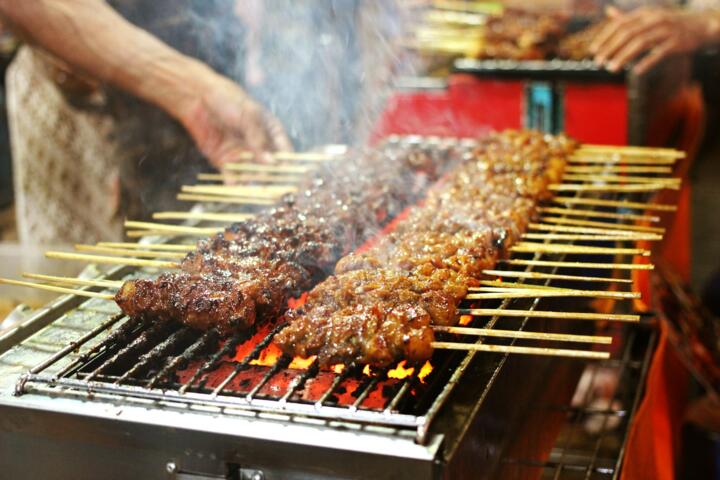
Street food often reveals the pulse of a city. It is not just about grabbing a quick snack; local customs shape when, how, and where food is purchased and consumed. For example, in Bangkok, some stalls close by midnight, while in Mexico City, vendors keep serving well past 2 AM, reflecting nightlife habits. Surveys find that 2 in 3 urban residents worldwide eat street food regularly. This ubiquity means street food etiquette impacts millions daily.
In Seoul, it's common to pay exact change quickly and thank the vendor with a slight bow; in Marrakech, price haggling is part of the ritual. Knowing such details helps you blend in and enjoy local flavors more fully.
Eat on the go or stall-side. Both happen, but the choice varies.
Common Etiquette Issues Abroad
Many travelers misjudge street food norms and inadvertently offend vendors or locals. One frequent mistake is pushing ahead in queues, which in countries like India or Vietnam can cause tension, as queuing customs differ. Another problem arises from neglecting to carry cash—vendors typically avoid card payments, even in 2024’s digital age.
Ignoring portion sizes or ordering too many dishes without sampling first can appear greedy. For instance, in Turkey, sharing is encouraged, and taking too much reduces others’ chance. Some tourists mistake spitting on the street for harmless, as happens in parts of China, but in Japan, it’s considered rude. These slips can sour relationships and affect service quality.
Waste disposal also poses issues. Street vendors often lack trash bins, so leaving wrappers or napkins on sidewalks causes litter problems, especially in tourist hotspots like Naples.
Practical Tips and Advice
Respect Local Queueing Habits
Observe how people line up before jumping in. In Lagos, queue discipline is relaxed but jumping can start disputes. In contrast, Singaporeans strictly follow lines. Match the pace and style you see; this avoids awkwardness and keeps interactions smooth.
Carry Small Bills and Coins
Many vendors do not provide change for large notes. Bringing small denominations avoids snarls and speeds up transactions. Bring cash up to $20 or equivalent in local currency. Mobile payments work only in some cities, like Tokyo or Seoul, but never assume.
Try Sharing Portions
Sharing is common in Southeast Asia and Latin America. Ordering one dish and splitting helps sample more varieties and respects local dining styles, which favors communal eating. It also prevents waste and lowers personal cost.
Ask Before Taking Photos
Many street vendors in Morocco or Peru value privacy and dislike unsolicited photos. Ask permission politely; sometimes a small payment is requested. This gesture builds goodwill and sometimes results in better service or even a story behind the dish.
Use Hand Sanitizer or Wipes
Clean hands before eating, especially where cutlery is limited. Carry a small pack of wet wipes or sanitizer for quick hygiene refreshes. Some markets, like Marrakech’s souks, report 30%-40% of vendors use disposable gloves, but many rely on rinsing. Protect yourself regardless.
Finish Your Food
Leaving uneaten portions in some cultures implies wastefulness or disrespect. In countries like Thailand, finishing your plate signals satisfaction and appreciation. Eat what you order or share with street friends if you can’t finish.
Observe Local Eating Styles
In India, eating with your right hand is standard; left is avoided. In Japan, slurping noodles loudly signals enjoyment. Knowing these small gestures avoids awkward moments and connects you with the culture instantly.
Dispose of Waste Properly
Bring a small bag for wrappers and napkins if bins are scarce. Tourists leaving litter contribute to street closures and fines. Vendors’ stall areas are often prized spots; keeping them clean protects local livelihoods and your access to good food.
Respect Vendor Space and Pace
Don’t crowd the stall or press vendors for faster service. In Mexico City, peak hours see long lines; complaining disrupts everyone and reflects badly on visitors. Accept waiting times—slow food traditions mean quality, not haste.
Lessons from Real Cases
A Barcelona popup specializing in churros noticed a decline when tourists attempted rowdy haggling and impatience. The owner introduced a sign outlining ordering and payment steps and trained staff in gentle reminders. Queue times dropped by 20%, and customer satisfaction ratings on TripAdvisor improved from 3.8 to 4.6 stars within six months.
Similarly, a Jaipur street food vendor selling kachori saw repeat customers soar after a volunteer interpreter explained local etiquette to foreign visitors, decreasing incidents of queue jumping by 35% and boosting sales by 27% over a year.
Etiquette Checklist
| Etiquette | Do | Avoid | Example |
|---|---|---|---|
| Queue | Wait patiently | Cut in line | Vietnam |
| Payment | Bring small bills | Assume card works | Bangkok |
| Portion | Order shareable dishes | Take too much | Mexico |
| Photos | Ask vendor first | Snap without permission | Marrakech |
| Hygiene | Use sanitizer or wipes | Touch food with dirty hands | Seoul |
Mistakes to Avoid
Ordering too many dishes at once without sampling leads to waste and vendor confusion. Trying to pay with credit cards often leads to awkward refusals. Ignoring local body language, especially signs of impatience or line frustration, damages goodwill quickly. Some tourists forget that tipping customs differ; in some countries, prices include service, and tipping can offend.
Skipping basic hand hygiene is common but avoidable. It can mean stomach problems days later. Tourists often forget to pace themselves and sweat a lot without drinking water, which affects the eating experience more than you expect.
FAQ
Is tipping common for street food?
Tipping varies greatly. In the U.S., small tips (5-10%) are common, but in many Asian countries, tipping on street food is rare or frowned upon. Always check local customs before assuming.
How do I know if street food is safe?
Look for busy stalls where locals eat, check if food is freshly cooked in front of you, and whether the vendor handles money and food separately. Carry activated charcoal tablets if you’re worried, they're cheap and popular among seasoned travelers.
Can I use cards or mobile pay?
Street vendors typically prefer cash, especially outside major cities. Digital payment is growing in places like Singapore and Seoul, but smaller towns rely on cash—carry both just in case.
What if I don’t speak the language?
Use simple gestures, photos on your phone, or translation apps like Google Translate or iTranslate. Pointing to items on the menu works well. Always smile; it helps.
Is it rude to eat while walking?
Depends on the country. In Japan, eating while walking is generally discouraged. In Mexico or Thailand, it’s normal. Observe locals to mimic the expected behavior.
Author's Insight
I’ve traveled to over 20 countries and eaten street food in markets where no English is spoken. The biggest learning curve is patience and observation. Small actions like bringing exact change or not rushing make a huge difference—vendors notice. Carrying wet wipes changed my hygiene game back in 2018, and I avoid tipping missteps by watching others. A good rule: respect customs, savor slowly, and you’ll find side benefits beyond food taste.
Summary
Street food etiquette varies but boils down to respect and attention to local cues. Carry cash, queue patiently, share dishes, and keep hygiene simple. These steps improve your experience tremendously and foster positive interactions with locals. Don’t rush; enjoy the moment and the many stories behind each vendor’s stall.