Flight Cancellations Explained
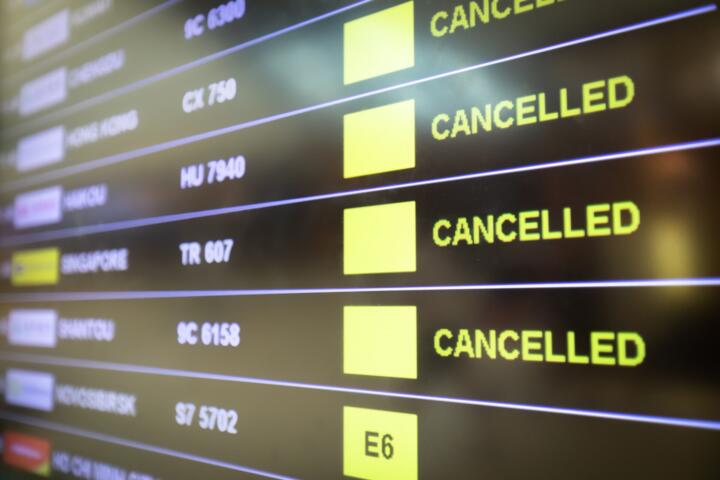
A canceled flight is not just a delay stretched longer. It means the airline has removed the scheduled service from operation, often due to weather, staffing gaps, or aircraft rotation issues. In Europe, roughly 2% to 3% of flights face cancellation in a typical year, with spikes during winter storms and summer traffic peaks.
Airlines like Lufthansa, Ryanair, and EasyJet publish disruption updates through apps before announcements reach airport boards. That timing gap matters. A traveler who reacts within 15 minutes often secures earlier seats compared to someone waiting in line at the gate desk.
There is structure behind the chaos. EU Regulation 261/2004 sets compensation rules for departures inside the EU or arrivals on EU carriers. Depending on distance, payouts can reach €600 per passenger. Distance decides the bracket.
In practice, speed changes outcomes. Two passengers on the same route can end up on different continents by evening. One refreshes the app. One waits.
Short delays feel different.
Most cancellations cluster around predictable pressure points like severe weather or crew limits. A single snow system in Frankfurt can disrupt over 200 departures in a day. That scale creates ripple effects across Europe.
What Goes Wrong
Airline systems operate on tight aircraft rotations. A plane arriving 40 minutes late in Madrid can trigger cancellations in Paris and Milan later that day. That chain reaction is rarely visible to passengers until it happens.
Many travelers assume cancellation means automatic refund and quick recovery. Reality is slower. Rebooking depends on seat availability, not fairness. A full flight to Barcelona at 18:00 may leave stranded passengers waiting until the next morning.
Airports add friction. Customer service desks often serve 30–50 people per agent during disruptions. Queue time stretches beyond an hour in major hubs like Heathrow or Frankfurt.
Then there is timing confusion. Airlines may offer vouchers first, refunds later, and alternate flights only if requested. Each option has different financial outcomes attached.
One missed update changes everything.
Passengers also underestimate weather patterns. A storm system that looks short-lived on radar can freeze operations for 6–10 hours due to aircraft repositioning delays and crew rest limits.
That waiting window drains energy fast.
Moves That Help
Check Airline App First
Airline apps update before airport announcements in many cases. Lufthansa and British Airways push rebooking options directly inside the app, often within 5–10 minutes of cancellation confirmation.
Open the app before joining any queue. Seat availability changes by the minute as systems reallocate inventory. The first available option is rarely the only one.
Speed shifts priority.
Check EU261 Rights
EU261 compensation applies when cancellations are within airline control and meet eligibility thresholds. Distances under 1,500 km may qualify for €250, while long-haul routes can reach €600 per passenger.
If weather caused the cancellation, compensation may not apply, but care duties still do. That includes meals, hotel stays, and transport between airport and accommodation.
Distance matters here.
Rebooking Strategy First
Rebooking options disappear quickly on popular routes. Instead of accepting the first suggestion, search nearby departure times and alternate airports such as Cologne or Stuttgart when flying from Frankfurt.
Airlines often allow same-day rerouting at no extra cost if space exists. A passenger flexible by 3–6 hours typically reaches destination the same day instead of overnight.
Flexibility wins seats.
Use Airport Desk Last
Airport counters look helpful but move slowly during disruptions. During peak cancellations, wait times can exceed 90 minutes at major European hubs.
Use desks only when digital options fail. Agents have access to the same inventory as apps but serve fewer passengers per hour.
Queue pressure builds fast.
Use Credit Card Coverage
Travel credit cards like American Express Platinum or Visa Infinite often include trip disruption insurance. Coverage may include hotel stays up to €300 per night and meal reimbursements during delays over 4 hours.
Claims require documentation: cancellation notice, receipts, and boarding pass records. Missing one document can slow reimbursement significantly.
Paper trails matter.
Look At Nearby Airports
Alternative airports expand recovery options. Flying into Düsseldorf instead of Frankfurt, or Brussels instead of Cologne, can unlock earlier seats when main hubs are saturated.
Rail connections across Germany and Belgium make these shifts practical. A 45–90 minute train transfer can replace a full day of waiting.
Distance becomes flexible.
Refund Vs Voucher Choice
Airlines often present vouchers first because they retain value inside the system. Refunds go back to cash but may take 7–14 days depending on payment method.
Vouchers sometimes include bonus value, such as an extra €50 or priority boarding upgrades. But they lock spending into one carrier network.
Cash restores freedom.
Options At A Glance
| Option | Speed | Value | Use Case |
|---|---|---|---|
| App Rebook | Fast | High | Same day travel |
| Airport Desk | Slow | Medium | Complex cases |
| Refund | 7–14 days | Cash value | Trip cancel |
| Voucher | Instant | Bonus value | Same airline use |
Mistakes To Avoid
Many passengers accept the first rebooking option without checking alternatives. That often locks them into longer delays when earlier seats exist on nearby routes.
Another common issue is ignoring EU261 eligibility. People assume compensation never applies, but documentation gaps often hide valid claims worth €250–€600.
Waiting at the gate desk is another trap. During disruptions, queues expand while digital seats continue updating in the background.
Refund delays get overlooked too.
Some travelers forget to keep receipts for meals or transport during disruptions. Without proof, reimbursement claims under airline care policies get rejected.
Finally, loyalty to one airline can narrow recovery options. Flexibility across carriers and airports often shortens total delay time.
FAQ
Do airlines have to rebook me after cancellation?
Yes, airlines must offer rebooking or refunds when they cancel a flight. The timing depends on seat availability and airline policy.
Can I get money back under EU261?
Yes, if the cancellation is within airline control and meets distance rules. Payments range from €250 to €600 depending on route length.
What happens to checked luggage?
Checked bags are usually rerouted automatically to the new flight. If rebooking takes time, luggage may be held until a confirmed itinerary is set.
Is a voucher better than refund?
Vouchers can include bonuses but lock value into one airline. Refunds return cash but take longer to process.
How fast should I act after cancellation?
Within the first 10–15 minutes gives better rebooking options. Seat inventory changes quickly during disruption events.
Author's Insight
I’ve seen cancellations reshape travel days more by timing than by distance. The passengers who move first rarely panic; they simply switch channels from queue to app and treat rebooking like inventory hunting.
The biggest shift in recent years is transparency. Airlines now surface options earlier, which means hesitation carries a real cost...
Summary
Flight cancellations are structured disruptions, not random chaos. Airlines must offer refunds or rebooking, and EU rules can add compensation depending on the situation. The fastest recovery comes from using airline apps, checking nearby airports, and understanding eligibility before joining airport queues.
Act early, stay flexible, and compare every option before accepting the first seat offered.