A New Era of Tourism
The travel industry has long equated "winter" with "skiing," yet data from the Adventure Travel Trade Association suggests a 20% year-over-year increase in demand for non-sport winter activities. Modern travelers are seeking "Slow Winter" experiences—trips that focus on wellness, photography, and unique environmental conditions found only between November and March.
Practically, this looks like choosing Rovaniemi, Finland, not for a ski pass, but for a 48-hour stay in an Arctic TreeHouse Hotel to observe the Aurora Borealis. According to the Icelandic Tourist Board, nearly 50% of winter visitors now cite the Northern Lights and geothermal spas as their primary motivation, surpassing any interest in traditional winter sports. This shift allows for a more accessible, diverse, and often more profound connection with the landscape.
Winter Planning Pitfalls
The most frequent error is the "City-Break Trap," where travelers visit northern cities like Prague or Tallinn in January without accounting for the limited daylight hours—often as few as 6 hours in the Baltics. Without a structured itinerary centered around seasonal events, travelers find themselves confined to indoor malls or museums, missing the unique outdoor atmosphere that defines the region.
Furthermore, underestimating logistical barriers in remote areas can lead to significant financial loss. Booking a remote cabin in Norway’s Lofoten Islands without a 4x4 rental vehicle (or understanding the local bus schedules like the 176 route) can leave you stranded. The consequence is often "vacation fatigue," where the effort of navigating the cold outweighs the enjoyment of the scenery.
Strategic Destinations
The Geothermal Sanctuary of Iceland’s South Coast
Iceland is the premier alternative to ski resorts because its primary attractions—glacier lagoons and volcanic beaches—require no athletic skill. Focus on the Vatnajökull National Park, where winter allows access to crystal blue ice caves that melt away by April. These caves are natural cathedrals formed by meltwater, accessible via guided tours from operators like Arctic Adventures.
Why it works: The contrast between the freezing air and 38°C geothermal water in the Blue Lagoon or Sky Lagoon creates a sensory experience that skiing cannot replicate. In 2023, the Blue Lagoon saw record winter attendance, proving that thermal wellness is a dominant winter trend. Use the Vedur.is app to track solar activity for aurora hunting while soaking.
The Medieval Storybook Atmosphere of Tallinn, Estonia
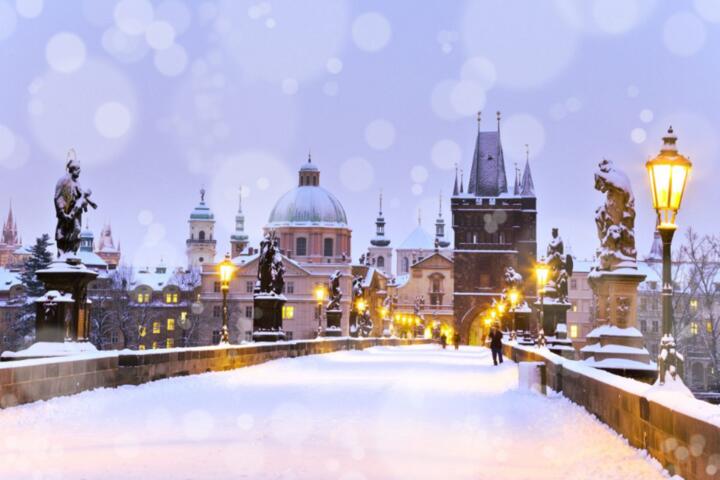
Tallinn offers one of the best-preserved Hanseatic town centers in Europe. In winter, the Raekoja Plats (Town Hall Square) hosts a Christmas market that consistently ranks in Europe’s top three. The absence of mountains is irrelevant here; the draw is the 13th-century architecture dusted in snow and the cozy, candle-lit interiors of spots like Olde Hansa.
The specific value lies in the "winter hygge" (or the Estonian equivalent). You can spend hours in the Seaplane Harbour museum or the Fotografiska gallery without feeling like you’re missing out on outdoor action. Statistics show that Tallinn is approximately 40% cheaper than equivalent Scandinavian capitals in January, making it a high-expertise choice for budget-conscious luxury.
The Celestial Theater of Abisko, Sweden
Abisko is scientifically recognized as one of the best places on Earth to see the Aurora Borealis due to its "Blue Hole"—a patch of sky that stays clear even when surrounding areas are cloudy. Instead of skiing, visitors take the chairlift to the Aurora Sky Station specifically for night-sky viewing. It is a destination built around optics and atmosphere.
The practice involves "Arctic Glamping" or staying at the nearby IceHotel in Jukkasjärvi. This is a feat of engineering where rooms are carved from Torne River ice annually. Staying here is an exercise in appreciating ephemeral art. Data from the Swedish Lapland board indicates that 70% of visitors to this region engage in dog-sledding or Sámi cultural tours rather than skiing.
The Architectural Grandeur of Quebec City, Canada
Quebec City is the closest experience to a European winter one can find in North America. The Old Quebec (Vieux-Québec) district, a UNESCO World Heritage site, is designed for walking. The centerpiece is the Fairmont Le Château Frontenac, the most photographed hotel in the world. Its winter appeal is built on the Winter Carnival (Carnaval de Québec), which attracts over 500,000 visitors annually.
Instead of skiing, visitors participate in the historic 1884 Toboggan Slide at Au 1884, reaching speeds of 70 km/h. This offers the thrill of speed without the gear or training required for downhill skiing. It works because the city infrastructure (heated cobblestones in some areas and extensive indoor "underground city" connections) caters to comfort during extreme lows of -20°C.
The Steaming Onsens of Nagano, Japan
While Nagano is famous for the 1998 Olympics, the real winter magic for non-skiers is found in Jigokudani Monkey Park. Here, Japanese Macaques (Snow Monkeys) bathe in natural hot springs to stay warm. Witnessing this behavior is a bucket-list wildlife experience that requires a gentle 1.6km hike through a cedar forest rather than a ski lift.
The cultural experience extends to staying in a Ryokan (traditional inn) like those in Shibu Onsen. This allows for "Onsen Hopping," where guests walk through the snowy streets in yukatas and wooden geta sandals to visit nine different public baths. This ritualistic approach to winter provides a deep sense of calm and cultural education that a sports-centric resort lacks.
Winter ROI: Case Examples
Case 1: The Corporate Retreat Shift
A London-based fintech firm opted for Tromsø, Norway, over the traditional Courchevel ski trip. By focusing on whale watching (using Brim Explorer’s silent electric catamarans) and Northern Lights photography workshops, they reported a 35% higher participation rate among staff. The result was a more inclusive environment for employees who felt alienated by the physical demands of skiing, with a 15% lower per-person cost compared to French Alps lift passes and equipment rentals.
Case 2: The Multi-Generational Family Holiday
A family of eight (ages 6 to 72) chose Salzburg, Austria, in December. Instead of splitting up at a ski resort, they utilized the "Salzburg Card" for unlimited museum access and took the funicular to Hohensalzburg Fortress. By booking a private tour of the "Silent Night" chapel in nearby Oberndorf, they engaged in a shared cultural history. Their post-trip survey indicated that the "togetherness" factor was significantly higher than previous years spent at ski schools.
Strategy Comparison
| Destination | Primary Non-Ski Draw | Best Service/Tool | Average Temp (Jan) | Vibe |
|---|---|---|---|---|
| Rovaniemi, Finland | Santa Claus Village & Arctic Design | Visit Rovaniemi App | -12°C | Whimsical / Family |
| Reykjavik, Iceland | Geothermal Spas & Glaciers | Guide to Iceland | 0°C | Ethereal / Rugged |
| Tallinn, Estonia | Medieval History & Markets | Bolt (Affordable Transport) | -4°C | Romantic / Gothic |
| Nagano, Japan | Snow Monkeys & Onsen Culture | Japan Rail Pass | -2°C | Zen / Traditional |
Mistakes to Avoid
The biggest mistake is ignoring the "Layering System." Many travelers pack one heavy coat but forget moisture-wicking base layers (merino wool is the gold standard). If you sweat while walking through a city and then stand still for an hour watching the Northern Lights, hypothermia becomes a real risk. Use brands like Smartwool or Icebreaker for reliability.
Another error is failing to book "Photography Tours" early. In places like Abisko or Tromsø, professional guides who know how to set up long-exposure shots on DSLR and mirrorless cameras (Sony A7 series or Canon R5) sell out months in advance. Relying on an iPhone 15 for aurora photos often leads to disappointment; the sensor simply cannot capture the light without specialized settings.
FAQ
Is it cheaper to visit these places than a ski resort?
Generally, yes. You avoid the cost of lift passes (which can exceed $100/day) and expensive gear rentals. However, specialized tours like ice-caving or dog-sledding can be pricey, so budget accordingly.
How do I get around in snowy conditions if I don't drive?
Most of these destinations have excellent winter infrastructure. In Japan, the Shinkansen (bullet train) is immune to snow delays. In Scandinavia, buses are equipped with studded tires and run with incredible punctuality.
What is the best month for the Northern Lights?
September to March are the prime months. February is often considered the "sweet spot" because the skies are clearer than in December, and the snow cover is at its peak for maximum reflection.
Are these destinations suitable for young children?
Rovaniemi and Quebec City are exceptionally child-friendly. Iceland can be challenging for toddlers due to high winds and long drives between sites, so it’s better for children aged 7 and up.
Do I need special insurance?
Always ensure your travel insurance (like World Nomads or Allianz) covers "Arctic conditions." While you aren't skiing, activities like snowmobiling often require specific riders in the policy.
Author’s Insight
After a decade of exploring the circumpolar north, I’ve found that the most memorable winter moments happen during the "Blue Hour"—that period of twilight where the snow turns a deep cobalt. My personal recommendation is to stop trying to "conquer" the winter through sport and instead learn to observe it. I once spent four hours in a glass igloo in Finnish Lapland just watching the wind move through the snow-laden pines; it provided more mental clarity than any black-diamond run ever could. Invest in high-quality footwear (Sorel or Baffin) because if your feet are cold, the magic disappears instantly.
Summary
Finding a winter wonderland that doesn't involve skis requires a shift in perspective from "action" to "atmosphere." Whether it is the geothermal heat of Iceland, the medieval charm of Estonia, or the quiet tradition of a Japanese onsen, these destinations offer a profound connection to the season. To make the most of your trip, focus on booking experiences that leverage the unique geography and light conditions of the north. Prioritize high-quality gear, respect the local climate, and allow the stillness of the winter landscape to be the main event of your journey.