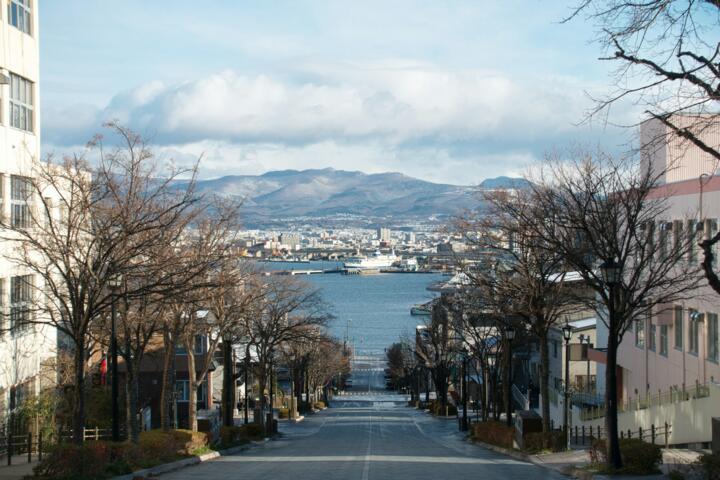
North Japan Travel Costs
The travel landscape in North Japan prominently reflects its seasonal nature. Winters, dominated by snow festivals and skiing in Hokkaido and the Tohoku region, bring a surge in accommodation and transport prices. Conversely, the shoulder seasons—spring and autumn—offer more favorable prices with pleasant weather. For instance, according to the Japan Travel Bureau, hotel prices in Sapporo rise by 35% during February’s Snow Festival compared to May.
Transportation costs also follow seasonality patterns; the Hokkaido Rail Pass, popular among tourists, varies in demand, influencing availability and price premiums during peak tourist months (December to March). A practical example is the increase in limited express train fares by about 15% during Golden Week in late April and early May.
Seasonal Highlights and Cost Impact
- Winter (Dec–Feb): Peak ski season, highest lodging prices, special event surcharges.
- Spring (Mar–May): Cherry blossom season causing temporary price hikes in towns like Aomori.
- Summer (Jun–Aug): General low season aside from Obon holidays, moderate pricing.
- Autumn (Sep–Nov): Fall foliage attracts tourists, causing mid-range price increases.
Main Traveler Problems
Ignoring Seasonality in Budget Planning
One critical error travelers make is neglecting the direct correlation between season and cost, especially underestimating how local festivals and events inflate prices. This oversight leads to budget overruns and compromises on experience quality.
Booking Too Late or Too Early
Another common mistake is timing bookings poorly. Hotels and flights booked too late during high season become cost-prohibitive, while booking too early without flexible cancellation leads to canceled trip expenses.
Limited Use of Passes and Discounts
Failing to employ specialized travel passes—such as the JR Hokkaido Rail Pass or regional Nishitetsu bus passes—results in inflated transportation costs. These offers are seasonal and require prior planning.
Effective Solutions
Plan Visits During Shoulder Seasons
Traveling in late spring (mid-May) or early autumn (September) can reduce accommodation and transport costs by 20–40%. For example, staying in Sapporo hotels mid-May versus mid-February can drop room rates from ¥15,000 to ¥9,000 per night.
Leverage Regional Passes
Utilize the JR Hokkaido Pass which offers unlimited rides on JR lines for 3-7 consecutive days. Using the 5-day pass costing ¥22,000 can save up to 30% versus individual ticket purchases during peak travel within Hokkaido.
Use Dynamic Pricing Tools
Employ services like Klook or Agoda with flexible date scanning to compare price fluctuations. These platforms highlight cheaper dates and bundle deals on tours and lodging.
Book Flights Intelligently
Fares to New Chitose Airport can surge by 50% during winter holidays. Booking 2-3 months in advance through airlines like ANA or JAL with fare alerts can secure discounts of up to ¥10,000 off peak prices.
Case Studies
Case 1: Solo Traveler Maximizing Budget
Problem: A solo traveler aimed to experience the Sapporo Snow Festival without overspending.
Action: Booked lodging in Otaru—a 30-minute train ride away—in late January, used the JR Hokkaido Rail Pass, and timed flights for mid-January.
Result: Reduced accommodation costs by 40% compared to central Sapporo, saved ¥14,000 on transport with the pass, total trip cost was 25% below average festival-season expenses.
Case 2: Family Trip Avoiding High Season Price Spikes
Problem: A family of four wanted an autumn foliage experience without seasonal surcharges.
Action: Scheduled travel for early September, utilized regional bus passes covering Tohoku, and booked through Agoda early for discounted family rooms.
Result: Paid 30% less on lodging and 25% less on transportation than comparable trips in October, with high guest satisfaction and no compromise on sightseeing.
Cost vs Seasonality
| Season | Hotel Cost (¥) | Pass Savings | Key Drawbacks |
|---|---|---|---|
| Winter (Dec–Feb) | 12k–18k / night | Up to 30% | High crowds, early booking |
| Spring (Mar–May) | 8k–13k / night | Moderate | Blossom price spikes |
| Summer (Jun–Aug) | 7k–12k / night | Best value | Rainy season, Obon peak |
| Autumn (Sep–Nov) | 9k–14k / night | Good pre-Oct | October foliage crowds |
Mistakes to Avoid
Overlooking Local Events
Always check regional event calendars. For example, missing the Aomori Nebuta Festival notice can inflate last-minute prices dramatically. Use official sites like the Japan National Tourism Organization for updates.
Ignoring Weather Impact
Failing to anticipate winter weather delays or summer typhoons can cause cancellations and unexpected costs; buffer extra days if traveling in extreme seasons.
Not Using Flexible Booking Options
Choosing non-refundable deals booked months ahead without travel insurance can risk entire booking losses.
Not Utilizing Loyalty or Reward Programs
Programs such as ANA Mileage Club provide free seat upgrades or discounted fares when booked strategically during shoulder seasons.
FAQ
When is the cheapest time to visit North Japan?
The summer months (June to early August) generally offer the best prices, except around Obon holidays, with moderate discounts also available in late spring and early autumn.
How do seasonal events affect travel costs?
Festivals like the Sapporo Snow Festival or Aomori Nebuta Festival cause lodging and transportation costs to spike by 20–50%, requiring early booking to avoid premiums.
Are travel passes cost-effective year-round?
Travel passes like the JR Hokkaido Rail Pass are most cost-effective during peak season or when multiple day trips are planned, providing savings up to 30% over single fares.
Can weather impact travel plans significantly?
Yes, winter snowstorms can delay trains, and summer typhoons may affect flights or ferries; always check weather forecasts and plan buffers.
What booking strategies minimize seasonal cost hikes?
Booking 2-3 months in advance, traveling during shoulder seasons, using flexible cancellation options, and leveraging online fare alert tools help mitigate costs effectively.
Author's Insight
From extensive travel experience across North Japan, I’ve seen firsthand how understanding seasonality can transform your trip budget. One winter, by opting for a late January visit with strategic use of the JR Hokkaido Rail Pass, I saved over 30% without missing any major attractions. Often, even small changes like shifting your arrival date by a week can slash accommodation costs dramatically. I recommend always cross-referencing festival dates and utilizing dynamic booking platforms like Klook or Agoda to exploit real-time deals. Ultimately, prioritizing season-aware planning is not just about saving money—it's about enhancing your experience by avoiding overcrowding and unpredictable weather disruptions.
Summary
North Japan's travel costs in 2026 are significantly influenced by seasonality, with clear price patterns around local festivals, weather seasons, and holiday periods. For the best value, travelers should plan visits during shoulder seasons, make use of regional travel passes like JR Hokkaido Rail Pass, and leverage dynamic pricing tools for flights and accommodation. Avoid common mistakes, such as ignoring event calendars or booking inflexibly, to maximize budget efficiency and travel quality. Smart planning, data insights, and flexibility form the cornerstone of an optimized North Japan travel experience.