Entry Stamps And Visas
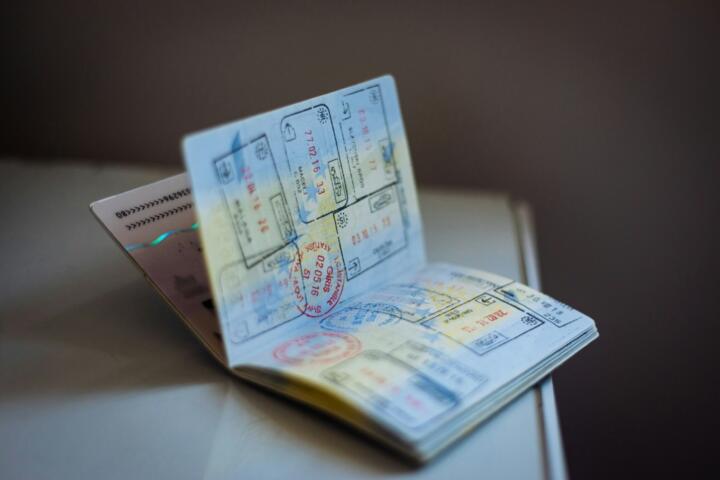
An entry stamp is a record placed in your passport when you cross a border. A visa is an authorization issued by a country before travel, usually in the form of a sticker, foil, or electronic record. Both can show up as marks in the same passport, which is why travelers often treat them as interchangeable.
In practice, an entry stamp answers a narrower question: “Did this passport holder enter on this date and under these conditions?” A visa answers a broader question: “Was this person allowed to enter for a specific purpose and stay period, under the rules that applied before arrival?” Border systems connect the two, but they are not the same document type.
Example: a traveler may arrive under a visa waiver program and receive an entry stamp on arrival. Another traveler may arrive with a visa sticker already in the passport and still receive an entry stamp at the border. The stamp does not replace the visa authorization that allowed the trip in the first place.
Some countries also issue visas electronically. In that case, there may be no visible sticker, yet the authorization exists in the issuing system. When you land, the border officer still records entry in your passport or in their system, depending on local procedures.
What People Confuse
Many travelers assume that “a stamp means I’m covered.” That assumption fails when the stamp only reflects entry, not the legal basis for the trip. If your visa category does not match your purpose of travel, a stamp cannot fix the mismatch.
Another common mix-up involves visa validity dates. A visa can be valid for entry during a specific window, while the entry stamp reflects the day you actually entered. If you enter after the visa’s entry validity period, the border may refuse entry even if the passport has other marks.
People also confuse entry stamps with residency permissions. A stamp may show a short-term entry, while residency or long-stay status requires separate documentation such as a residence permit, a national ID card, or a separate authorization letter. In some countries, the border stamp is not evidence of long-term rights.
Supporting systems matter. Border officers typically rely on advance passenger information, visa databases, and immigration watchlists. The stamp is a physical artifact; the decision often comes from the underlying records. That is why a passport can look “fine” while the system still blocks entry.
Even the wording on the stamp can mislead. Some stamps include abbreviations for the entry type, such as tourist, business, or transit. If you do not know what the abbreviation means, you may misunderstand your permitted stay length and conditions.
How To Verify Your Status
Check Purpose And Category
Start by matching your travel purpose to the authorization you hold. A tourist entry stamp does not convert into a work permission, and a student entry does not automatically permit employment. Review the visa category on your visa document or the terms attached to your electronic visa approval.
If your authorization is electronic, print the approval or save the confirmation number. Many systems accept the record, but airlines and border officers often ask for proof during check-in. On my last review of an e-visa portal (version 2.1 of a typical traveler dashboard, dated 2024-03), the confirmation number was the field that mattered most when staff asked for verification.
When you arrive, look at the stamp details. If the stamp indicates a specific entry type or a permitted stay date, treat that as a limit. If the stamp shows only “entered” without clear conditions, you still need to rely on the visa terms or the entry program rules that applied to you.
Compare Dates And Stay Limits
Visa documents usually include an “entry validity” period and sometimes a “number of entries” rule. Entry stamps include an “admitted until” date or a stay duration. These dates can differ, and the later date is not automatically the one that controls.
Use a simple timeline: (1) visa entry validity window, (2) your actual arrival date, (3) the permitted stay end date shown on the stamp or in your authorization. If any step conflicts, contact the issuing authority or your airline before you travel again.
For example, a visa may allow entry until the end of June, but your stamp may admit you until mid-July. The stamp date can be shorter than the visa window, and it can also be shorter than what you expected based on the visa sticker alone.
Use Official Sources For Rules
Rules vary by country and by entry program. Check the destination government’s immigration or visa page, and confirm whether your entry stamp is expected for your entry route. If you used a visa waiver, confirm whether the country issues stamps at all and what the stamp signifies.
For practical verification, keep three documents together: your passport, your visa approval (or waiver documentation), and your itinerary proof if you have one. Airlines often check documents at check-in, and border officers may ask for supporting evidence of your purpose.
If you are unsure, contact the destination’s embassy or consulate. Email responses can take time, so ask for written clarification on your specific entry type and permitted stay. A short message that includes your passport nationality, travel dates, and visa category tends to get a more precise answer.
Plan For Extensions And Changes
An entry stamp does not grant a right to extend a stay. Extensions usually require an application before your permitted stay ends, with fees and supporting documents. If you plan to extend, start early because processing times can vary.
If your purpose changes after entry, you may need a status change process. For instance, switching from tourist to work typically requires a new authorization. Trying to rely on the original entry stamp often leads to delays or refusal.
Keep copies of everything. Many travelers lose the confirmation email for an e-visa and then struggle to prove approval when a border officer asks for it. A folder named with your arrival date, plus the confirmation number, saves time later.
Educational Case Examples
Case 1: Visa Waiver Entry
A traveler from a visa-waiver eligible country arrives for a short holiday. They receive an entry stamp showing the admitted-until date. The traveler later assumes the stamp is a “visa” and books a longer trip without checking the admitted-until limit. At the border, the system flags that the traveler overstayed the stamped admission window, and the traveler is refused entry or directed to regularize status, depending on local rules.
The lesson: the stamp records admission, but it does not expand your permitted stay beyond what the entry program allows.
Case 2: Electronic Visa With No Sticker
A student travels using an electronic visa approval that has no sticker in the passport. At check-in, the airline agent asks for proof of the approval and the student shows the confirmation email and passport details. On arrival, the border officer stamps the passport to record entry. Later, the student tries to travel again and assumes the stamp from the first trip is enough for the second trip. The second entry fails because the electronic visa approval was single-entry and expired after the first arrival.
The lesson: the stamp is not a substitute for the visa authorization terms tied to entry count and validity.
Stamp Vs Visa Checklist
| Item | What It Usually Means | What It Does Not Mean | How To Verify |
|---|---|---|---|
| Entry Stamp | Recorded admission at the border, often with an admitted-until date or entry type | A new visa authorization, a right to work, or permission to stay beyond the admitted-until limit | Read the stamp text and compare it to your visa/entry program terms |
| Visa (Sticker/Foil) | Pre-travel authorization for a specific purpose and entry conditions | Automatic admission for every day of validity, or permission to change purpose after arrival | Check validity dates, entry count, and category on the visa |
| Electronic Visa Record | Authorization stored in the issuing system, sometimes tied to passport number | A guarantee that the border will admit you if other conditions fail | Keep confirmation details and verify passport number matches |
| Residency/Permit | Longer-term legal status, usually separate from entry admission | A short-term stamp that grants residency rights | Check the permit document and renewal rules |
Step-by-step checklist before you travel again: confirm the visa or entry program that applies to your next trip, verify validity dates and entry count, read the admitted-until date on any stamp you already have, and check whether your purpose matches the authorization category. If any item conflicts, resolve it before booking nonrefundable travel.
Common Mistakes To Avoid
One frequent mistake is using a past stamp to predict future entry. Entry stamps reflect a specific border crossing event, not a standing permission for later trips. Another mistake is assuming that a visa sticker guarantees entry even when the visa category does not match the reason for travel.
Travelers also misread “single entry” and “multiple entry” rules. A single-entry visa can still produce an entry stamp, but the stamp does not extend the authorization for later arrivals. If you plan multiple trips, check the entry count on the visa record.
Document mismatch causes problems too. If your passport number changes due to a new passport, an electronic visa approval tied to the old number may not transfer automatically. Airlines can reject boarding when the passport details do not match the approval record.
Finally, people sometimes ignore the admitted-until date on the stamp because they focus on the visa validity printed elsewhere. That approach fails when the border grants a shorter stay than the visa window suggests. A mild frustration many travelers report: the stamp is the only date border staff will point to during enforcement.
FAQ
Does An Entry Stamp Count As A Visa?
An entry stamp records border admission. It does not replace a visa authorization or visa category requirements that apply before arrival.
Can I Stay Longer Because My Passport Has A Stamp?
No. The permitted stay usually follows the admitted-until date on the stamp or the terms of your visa or entry program.
Why Do I Need A Visa If I Got A Stamp Before?
Each trip depends on the authorization that applies to that specific entry. A prior stamp does not grant permission for a new arrival.
What If My Visa Is Electronic And There Is No Sticker?
The authorization can still exist in the issuing system. Keep your confirmation details and ensure your passport number matches the approval.
What Should I Do If My Stamp Date Conflicts With My Visa?
Treat the admitted-until date and the visa terms as both controlling. Contact the destination’s immigration authority or your airline for written guidance before you plan further travel.
Author's Insight
Entry stamps and visas serve different legal functions even when they appear together in a passport. A visa authorizes entry under defined conditions before travel, while a stamp documents what happened at the border and often sets the admitted-until limit. Border decisions rely on linked records, so the physical stamp can look reassuring while the system still blocks entry for a later trip.
For travelers, the practical method is to treat your visa or entry program terms as the “permission,” and the stamp as the “admission record.” When dates, purpose, or passport numbers do not match, you should resolve the conflict with official sources before relying on the stamp.
Key Takeaways
- An entry stamp documents border admission; it does not replace a visa authorization.
- A visa authorizes a purpose and conditions before travel; it can include entry validity and entry-count limits.
- Use dates from both documents: visa validity for authorization and stamp admitted-until for your stay.
- Electronic visas may leave no sticker; keep confirmation details and verify passport number matches.
- For extensions or purpose changes, plan separate authorization rather than relying on the stamp.