The Solo Shift
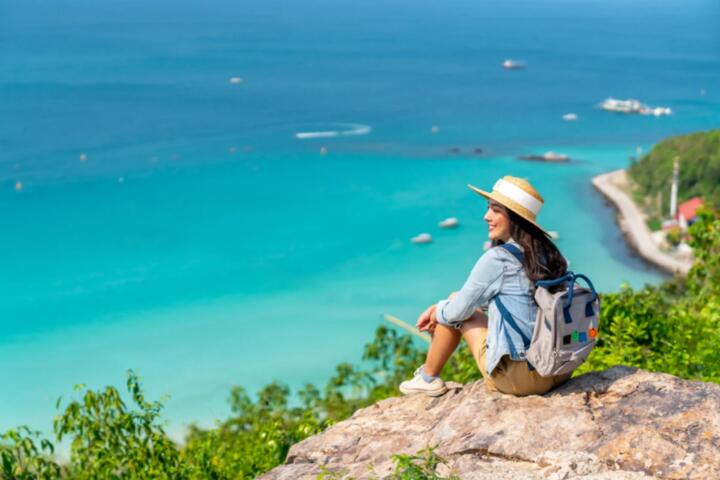
Solo female travel is no longer a niche subculture; it is a dominant force in the tourism economy. Recent data from Booking.com suggests that nearly 54% of women are considering international solo trips in 2024-2025. This shift is fueled by a desire for radical autonomy and "self-actualization" trips where the itinerary isn't compromised by group consensus.
Practically, this looks like a traveler spending three days in a quiet pottery workshop in Kyoto rather than rushing through a 10-city European bus tour. Statistics from Solo Traveler World indicate that 46% of solo female travelers prioritize safety over cost, leading to a rise in "safety-premium" services like women-only hostels or high-end boutique stays.
Safety as a Metric
When we discuss "safe" destinations, we look at the Global Peace Index (GPI) and the WPS Index (Women, Peace, and Security). For instance, Iceland consistently ranks #1 on the GPI, boasting a crime rate so low that police often don't carry firearms. This isn't just a vibe; it is a measurable sociological reality that impacts how comfortably a woman can walk alone at night.
The Infrastructure of Ease
Expert-level solo travel relies on infrastructure. In countries like Singapore or Switzerland, the public transport systems are designed with high-visibility lighting and 24/7 surveillance. This reduces the "cognitive load" on a solo traveler, allowing them to focus on the experience rather than constantly scanning for exits or checking their GPS for bus reliability.
Cultural Nuance vs. Safety
Safety is oftenDaily conflated with cultural strictness. However, destinations like Oman or Uzbekistan offer incredibly high safety ratings due to deep-rooted traditions of hospitality (Mehman-nawazi). An expert traveler distinguishes between "street harassment levels" and "violent crime rates," choosing destinations where the former is socially discouraged.
The Rise of "Soft Travel"
Many women are opting for "Soft Solo Travel"—starting in highly Westernized hubs with English proficiency. Copenhagen is a prime example. The city’s "Cycle Superhighways" and the widespread use of Rejseplanen for transport make it nearly impossible to get lost, providing a training ground for more complex future journeys.
Digital Nomad Synergy
The overlap between solo travel and remote work has created "Safe Hubs." Places like Madeira, Portugal, have developed specific initiatives for digital nomads, providing coworking spaces like Digital Nomads Madeira where solo women can find an instant, vetted community, mitigating the risks of social isolation.
Common Planning Gaps
The biggest mistake solo travelers make is "reactive planning"—waiting until they land to figure out transport or connectivity. This creates a vulnerability window. If you are standing at a train station in Rome at 11:00 PM trying to download an eSim, you are an easy target for opportunistic theft.
Another pain point is the "Social Fatigue" trap. Women often feel pressured to be overly polite to strangers to avoid conflict. This can lead to dangerous situations in high-pressure tourist zones like Marrakesh or Istanbul, where "friendly" shopkeepers use hospitality as a high-pressure sales tactic or a way to lead travelers into secluded areas.
Ignoring "Hyper-Local" data is a fatal flaw. A country might be safe, but a specific neighborhood—like Exarcheia in Athens or certain arrondissements in Paris—might have different safety profiles at night. Relying on country-level advice instead of street-level intelligence leads to avoidable anxiety.
Safety Protocols
Expert solo travel requires a proactive tech stack and a "Security First" mindset. Instead of general caution, use the 3-Point Verification method for accommodation: check the "Safety" keywords in TripAdvisor reviews, verify the street view on Google Maps to ensure the entrance is on a well-lit main road, and call the front desk to ask about 24/7 security presence.
For connectivity, never rely on public Wi-Fi. Use an eSim provider like Airalo or Holafly to ensure you have data the moment the plane touches the tarmac. This allows you to book an Uber or Bolt (which have "Share My Trip" features) immediately, avoiding the unregulated taxi queues where overcharging and harassment are most common.
Mastering Urban Transit
In cities like Tokyo or Seoul, utilize women-only subway cars during rush hour. These are clearly marked on the platforms. For intercity travel, FlixBus or Eurail offer reliable schedules, but always book seats near the driver or in the middle of the carriage where visibility is highest.
Vetting Social Connections
To meet people safely, use Bumble BFF or the "Women Only" filters on Hostelworld. The Tourlina app is specifically designed for women to find travel partners for specific segments of their trip. This allows for "micro-grouping"—joining others for a hike or dinner while maintaining solo autonomy for the rest of the day.
Financial Redundancy
Carry three forms of payment: a primary credit card (stored in a RFID-blocking wallet), a backup debit card (hidden in your luggage), and a digital wallet (Apple Pay or Google Pay). Using Revolut or Wise allows you to freeze cards instantly via an app if they are lost or stolen, preventing total financial lockout.
The "Check-In" Cadence
Use automated safety apps like Noonlight. In an uncomfortable situation, you hold a button; if you release it and don't enter a code, emergency services are notified of your GPS location. Additionally, setting a "Dead Man’s Switch" email—a scheduled message to a friend that you cancel once you reach your hotel—is a zero-cost safety net.
Self-Defense Legality
Understand that pepper spray is illegal in many countries (e.g., the UK, Greece). Instead, carry a high-decibel personal alarm like Birdie. It is TSA-approved and incredibly effective at drawing attention, which is the primary deterrent for 90% of street-level threats.
Travel Benchmarks
The following examples illustrate how specific strategies result in successful solo ventures in diverse environments.
Case Study 1: The Scandinavian Solo Loop
A traveler spent 14 days in Norway and Denmark. By utilizing the Fjord Pass for transport and staying in "Female-Only" dorms at City Hub Copenhagen, she maintained a 100% safety rating. Result: Total spend was $2,400, with zero reported incidents and 15+ new professional contacts made through local "Expats in Denmark" Facebook groups.
Case Study 2: The Southeast Asian Safety Pivot
A traveler in Vietnam faced aggressive "Easy Rider" motorbike offers. She pivoted to using the Grab app for all transport, which provides driver IDs and GPS tracking. By booking "Female-Led Food Tours" in Hoi An, she navigated local culture without the risk of being isolated with unknown male guides. Result: 21 days of travel with a total cost of $1,100 and high-quality cultural immersion.
Infrastructure Review
| Destination | Primary Safety Asset | Best Transport Tool | Vibe / Goal |
|---|---|---|---|
| Iceland | Near-zero violent crime | Strætó App | Nature & Isolation |
| Japan | Social order / Respect | Japan Transit | Cultural Immersion |
| New Zealand | Backpacker community | InterCity Bus | Adventure Sports |
| Portugal | English proficiency | CP Trains | Nomad / Sun |
| Switzerland | Precision infra | SBB Mobile | Luxury & Hiking |
Navigational Pitfalls
Do not announce your solo status to strangers or on social media in real-time. Posting a "Live" story on Instagram tagged at your exact hotel is an invitation for trouble. Always delay your posts by at least 12 to 24 hours to ensure your physical location is no longer predictable.
Avoid arriving in a new city after dark. If a flight or train is delayed, have a pre-booked airport transfer service like Welcome Pickups. They monitor your flight and the driver meets you inside the terminal with a sign, eliminating the need to navigate unfamiliar public transport while tired and vulnerable.
Never leave your drink unattended, even in "safe" hostels. Use a NightCap (a drink cover) to prevent spiking. While we want to trust the community, 80% of safety incidents in hostels involve other travelers, not locals. Maintain professional boundaries with everyone you meet.
FAQ
What is the safest country for a first-time solo trip?
Iceland is statistically the safest, followed closely by New Zealand. Both have English-speaking populations, excellent road infrastructure, and a culture that is highly respectful of solo women. If you prefer cities, Tokyo is the global gold standard for urban safety.
How do I handle unwanted attention in more traditional cultures?
Wear a "fake" wedding ring and have a pre-prepared story about meeting your "husband" at the next stop. In places like Egypt or Morocco, wearing sunglasses to avoid direct eye contact and dressing conservatively (covering shoulders and knees) significantly reduces street comments.
Is it expensive to travel solo?
It can be due to the "single supplement" at hotels. To mitigate this, look for "Single Rooms" in European boutique hotels or use Selina hostels, which offer high-end private rooms within a social environment. Wise cards also help save 3-4% on currency conversion fees.
How do I stay connected without roaming fees?
Use an eSim like Airalo. You can get 10GB of data in most European or Asian countries for under $20. It activates instantly via a QR code, so you have maps and translation tools working before you even exit the airplane.
What if I get sick or injured while alone?
Always have SafetyWing or World Nomads insurance. They offer 24/7 assistance lines. Carry a "Medical ID" on your phone with your blood type and allergies accessible from the lock screen. Also, keep the address of the nearest private hospital saved in your offline maps.
Author’s Insight
In my 12 years of solo travel across 60 countries, I’ve learned that intuition is a survival tool, not a "feeling." If a situation feels 1% off, I leave immediately without worrying about being rude. My best advice is to spend the extra $20 for a centrally located hotel rather than a cheaper one on the outskirts; your safety and peace of mind are worth the premium. Remember, solo travel isn't about being "brave"—it's about being prepared and knowing your resources.
Summary
Solo female travel is a transformative experience that is made possible through meticulous planning and the use of modern safety technology. By choosing high-infrastructure destinations like Japan or Iceland, utilizing apps like Airalo and Noonlight, and maintaining a proactive security posture, women can explore the globe with total confidence. Start with a "soft" destination, build your "travel muscles," and never let fear dictate your boundaries. The world is far more welcoming than the headlines suggest, provided you move through it with expertise and intent.