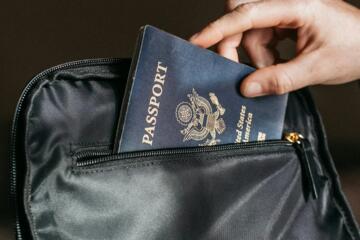
International Entry
The global travel ecosystem has shifted from a "stamp-and-go" model to a data-driven, pre-clearance framework. Understanding this transition is vital because modern border control systems are increasingly interconnected through databases like the Schengen Information System (SIS II) or the Five Eyes biometric sharing agreement. An error in one jurisdiction can now trigger red flags globally, making the margin for error effectively zero.
Consider the rise of Electronic Travel Authorizations (ETAs). While they appear simpler than traditional stickers, they rely on algorithmic vetting. For example, a minor typo in a passport number on an Australian Subclass 601 ETA can result in an immediate boarding denial at the airport. In 2023, data from IATA indicated that "inadmissible passengers" cost the aviation industry billions in fines and return flight logistics, often due to preventable documentation discrepancies.
In practice, expertise means knowing that a "valid" passport isn't just one that hasn't expired. Many jurisdictions, including most of the EU and Southeast Asia, enforce a strict "six-month validity" rule from the date of departure, not arrival. Failure to account for this leads to thousands of travelers being turned away at check-in counters every month, despite holding valid visas.
Entry Failure Points
Misinterpretation of "Business" vs. "Work" Activities
The most frequent and costly mistake is the conflation of business meetings with gainful employment. Entering a country like Canada or the USA on a visitor visa (B1/B2) to perform "hands-on" work—even if paid by a foreign entity—is a violation of status. Border Force officers at Heathrow or JFK are trained to scrutinize LinkedIn profiles and laptop contents; if your stated purpose is "tourism" but your bag contains specialized tools or signed employment contracts, you face an immediate ban.
The "Blank Page" Oversight
Travelers often overlook the physical real estate of their passport. Countries like South Africa and Greenland require at least two entirely blank, consecutive "Visa" pages. A passport that is valid for five more years but is full of stamps is technically invalid for entry in these regions. This often results in "Denied Boarding" status, where travel insurance rarely provides coverage because the error is classified as a "traveler oversight."
Financial Solvency Discrepancies
Consulates and border agents frequently demand proof of "sufficient funds." A common error is providing a single, large-sum deposit slip into a bank account just days before an application. To an immigration officer, this looks like "parked funds" meant to deceive. Authentic proof requires three to six months of consistent transaction history to demonstrate a stable socio-economic tie to your home country.
Inaccurate Disclosure of Criminal or Medical History
Attempting to hide a 10-year-old DUI (Driving Under the Influence) conviction when applying for entry to Japan or Canada is a recipe for a permanent "persona non grata" status. Modern biometric sharing means the officer likely already knows the answer to the question they are asking. Honesty, combined with a "Rehabilitation" certificate or legal brief, is the only viable path forward.
Third-Party Booking Errors
Relying on automated "visa help" bots or unverified third-party agencies often leads to outdated information. Entry requirements can change overnight due to geopolitical shifts. For instance, reciprocity fees for US citizens in South American countries fluctuate frequently. Using a stale checklist from 2022 can lead to a lack of a required QR code or payment receipt at the boarding gate.
Seamless Approval Tips
Leverage Real-Time Database Verification
Instead of relying on general blogs, use professional-grade tools like IATA TravelCentre or the Sherpa° API. These platforms provide the exact same data used by airline check-in agents. Before booking, input your specific passport, residency status, and transit points. This prevents the "hidden transit visa" trap, where a traveler needs a visa just to change planes in a country like Germany or India.
The "Socio-Economic Ties" Portfolio
To defeat the "immigrant intent" presumption—the default stance of US and UK consular officers—build a comprehensive ties portfolio. This includes more than just a job letter. Include property deeds, tax returns (Form 1040 or local equivalent), and "Leave Approval" letters from HR. Showing a return ticket is not enough; you must prove you have a compelling reason to leave the destination country.
Digital Redundancy and Metadata Checks
When uploading digital documents for eVisas (like the Indian eVisa or Saudi Arabia's tourist visa), ensure the file metadata does not contradict your application date. Use tools like Adobe Acrobat Pro to compress files without losing legibility. If a scan of your passport is blurry, OCR (Optical Character Recognition) software used by immigration will reject it automatically, leading to a "Pending" status that can last weeks.
Utilizing Registered Traveler Programs
For frequent flyers, programs like Global Entry (USA), Viajero Confiable (Mexico), or Smartgate (Australia/NZ) do more than just save time. They establish you as a "Low Risk" traveler in the global security database. Once you have passed the rigorous background check for these programs, your "Expertise" profile is essentially pre-vetted, significantly reducing the likelihood of secondary inspection.
Medical Compliance and Yellow Fever Nuances
Documentation isn't just about the visa; it's about health. If you are traveling from a country with a risk of Yellow Fever (even just a long layover in Addis Ababa), you must have an International Certificate of Vaccination (ICVP). In countries like Thailand or Brazil, failure to produce the "Yellow Book" can result in mandatory quarantine or immediate deportation, regardless of your visa status.
Operational Case Studies
Case Study 1: The Tech Consultant in the Schengen Zone
Entity: A California-based SaaS firm.
Problem: A senior engineer was denied entry at Frankfurt airport. He held a valid US passport but had spent 95 days in the Schengen zone over the last 180 days, violating the 90/180-day rule.
Action: The firm implemented a tracking tool (Schengen Calculator) and applied for a National "D" Visa for the engineer based on a bilateral agreement between the US and Germany that allows for longer stays under specific economic conditions.
Result: Entry secured within 14 days, and the company avoided a €5,000 fine for the carrier.
Case Study 2: The Group Exhibition in Tokyo
Entity: An International Art Collective.
Problem: 5 artists were flagged for "intent to work" because they were carrying paintings for an exhibition. They only had "Temporary Visitor" status.
Action: A specialized "Cultural Activities" visa was processed. We provided a "Carnet de Passages en Douane" for the artwork to prove it was not being imported for sale, along with an invitation from a registered Japanese gallery.
Result: Visas issued in 4 business days; exhibition proceeded with no customs delays.
Strategic Checklist
| Phase | Action Item | Expert Tip |
|---|---|---|
| Pre-Booking | Verify Passport Validity (6-Month Rule) | Check "Date of Expiry" vs. "Date of Return." |
| Documentation | Socio-Economic Ties Portfolio | Include 3 months of certified bank statements. |
| Transit | Check Intermediate Stops | Verify if a "Direct Airside Transit Visa" is needed. |
| Digital | E-Visa Metadata Review | Ensure photo meets exact pixel/KB requirements. |
| Health | ICVP (Yellow Fever) Verification | Must be administered at least 10 days before travel. |
| Arrival | Hard Copy Redundancy | Always carry a paper copy of your return flight and hotel. |
Common Pitfalls
One of the most deceptive traps is the "Visa-Free" myth. Many people assume "Visa-Free" means "Requirement-Free." In reality, countries like South Korea (K-ETA) and the UK (ETA) now require a pre-paid digital authorization even for citizens of "friendly" nations. Checking the official Gov.uk or State.gov websites 72 hours before departure is the only way to catch last-minute policy shifts.
Another error is the "Transit via Separate Tickets" strategy. If you book two separate flights to save money (e.g., London to Dubai, then Dubai to Sydney), you may need to clear customs to re-check baggage. This requires a full entry visa for the transit country, even if you only plan to stay in the airport for two hours. Always check if your transit requires "landside" access.
Finally, the "Purpose of Visit" verbal interview. When asked your purpose, be concise. "Business" is acceptable if you are attending a conference; "Working" is a trigger word for "Work Permit." Use the terminology that aligns with your specific visa class. Over-explaining often leads to "Secondary Inspection," where officers will comb through your emails for any sign of unauthorized labor.
FAQ
Can I apply for a visa if my passport expires in 5 months?
Technically yes, but it is highly discouraged. Most consulates will refuse to stamp a visa into a passport that does not have 6 months of validity beyond your intended stay. Renew your passport first to avoid a double application fee.
What is the difference between a double-entry and a multiple-entry visa?
A double-entry visa allows you to enter, leave, and re-enter once (useful for side trips to neighboring countries). A multiple-entry visa allows unlimited entries within the visa's validity period. Choosing the wrong one can leave you stranded during a multi-country tour.
Does a layover count as a "visit" for the 90/180-day rule?
If you pass through passport control (landside transit), yes, that day counts as Day 1. If you remain in the international transit lounge (airside), it generally does not count toward your stay limit in the Schengen area.
How do I prove "sufficient funds" if I am a freelancer?
Provide 1099 forms (in the US), tax assessments, and a summary of active contracts. Consulates look for "continuous income" rather than just a high balance, as this proves you have a career to return to.
What should I do if my visa is denied?
Review the "Refusal Letter" carefully. Most denials are under "Section 214(b)" (lack of ties) or "Incomplete Documentation." Do not reapply with the same documents; you must provide new evidence that addresses the specific reason for refusal.
Author’s Insight
In my fifteen years navigating international logistics, I’ve learned that the "front-end" effort saves "back-end" disasters. I once saw a corporate executive deported from a Southeast Asian hub because he didn't have a physical "Yellow Book" vaccination record, despite having a digital copy. Governments are often slow to adopt digital-only proofs. My golden rule is: Always carry a physical "Border Folder" with hard copies of every authorization, insurance policy, and bank statement. In a world of digital glitches, paper is your ultimate leverage at a remote border post.
Summary
Success in international entry is a matter of administrative hygiene. By verifying passport validity, distinguishing between business and work activities, and maintaining a robust portfolio of socio-economic ties, you transform a high-stress event into a routine procedure. Utilize professional databases like IATA, respect the 6-month rule, and always disclose your history with total transparency. Secure your documentation today to ensure your global mobility remains an asset rather than a liability.