Crowded or Calm Defined
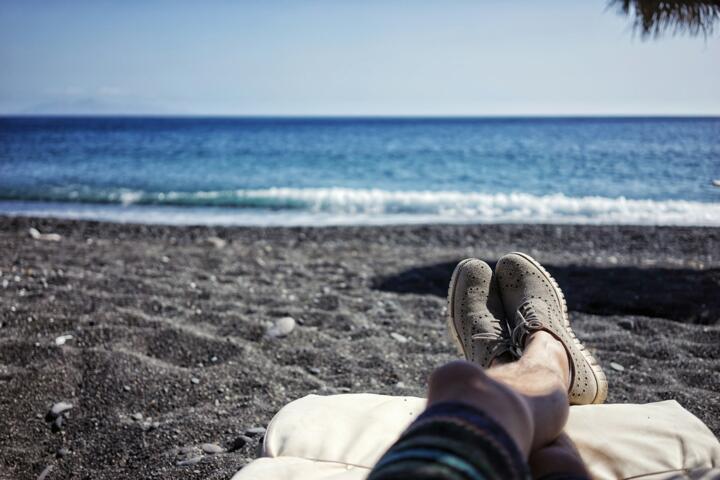
We often decide if a place feels crowded or calm before we even step inside. This feeling hinges on more than just the number of people present. A beach with 200 visitors can feel serene on a 10-acre stretch but chaotic if squeezed onto 1 acre. Calming spaces tend to have wider paths, more natural buffers, and better sound control. For example, Yosemite National Park limits visitation to 4 million annually across 1,200 square miles, preserving an overall sense of calm despite its popularity.
Factors like pedestrian density, noise level, and open space ratio matter far more than raw visitor numbers. Environmental design plays a huge role in modulating perceived serenity or overcrowding — and you need to study it closely to pick your next getaway.
Common Misjudgments on Crowd Feel
Tourists frequently equate a high visitor count with unwelcome jostling and stress, but this is overly simplistic. Overloaded infrastructure can turn any spot unpleasant, yes. But equally, poor layout or obstructed sightlines can turn 100 people into a claustrophobic crush. Tokyo’s Shibuya Crossing flows impressively with thousands crossing at once because of wide streets and clear pedestrian signals.
Ignoring timing worsens this. Weekends and holidays often see a fourfold spike in visitors that ruins the vibe. Misreading visitor patterns leads to choosing crowded hotels, congested trails, and packed cafés even in places with capacity to host quietly. Another error: assuming urban destinations lack calm. Cities like Copenhagen offer green spaces and bike routes ensuring peaceful zones, illustrating how heterogeneous calmness can be.
Crowding can frustrate outdoor lovers, strain public transport, and degrade local ecosystems — undermining both guest and host experiences.
Effective Ways to Find and Enjoy Calm
Time Visits for Off-Peak Hours
Traveling early mornings or late afternoons reduces crowd density by up to 50% at most sites. Avoid weekends and local holidays, especially at famous spots. Use tools like Google Popular Times or apps like TripIt to pinpoint less busy intervals. You not only dodge crowds but often pay less for lodging.
Research the Venue’s Layout and Size
Preview maps and aerial views to gauge open space ratios. Parks with extensive trails and dispersed points of interest suffer less crowd pressure. For example, Central Park’s 843 acres provide breathing room even in peak seasons, unlike the narrow pathways in smaller urban parks.
Choose Accommodations with Spacious Surroundings
Hotels with larger grounds or separated buildings usually feel less cramped. A resort with 100 rooms on 20 acres will feel calmer than 200 rooms on 5 acres, even if fully booked. Look for properties advertising private gardens, outdoor terraces, or beach access spread out geographically.
Reevaluate Destination Popularity Beyond Visitor Numbers
Popularity alone misguides; consider tourist capacity per square mile and infrastructure quality. Regions that cap visitor numbers or have strict entry permits—like Bhutan's “High Value, Low Impact” policy—maintain calm by design, not by accident.
Use Technology to Preview Crowding
Webcams, live crowd trackers, and social media posts reveal real-time visitor density. Platforms like Instagram can show recent visuals indicating busyness. Also, monitoring noise mapping tools gives an idea of auditory overwhelm, not just visual crowding.
Engage with Local Experts
Locals or guides know hidden spots untouched by throngs. They suggest times or paths less beaten. For example, a Yellowstone guide might recommend a rarely crowded geyser at dawn, avoiding the midday crush. Locals’ advice often beats internet guides.
Assess Transport Options and Accessibility
Easy access can lead to overcrowding. Remote destinations with limited transport often stay quiet. Conversely, popular spots on major transit lines see daily visitor surges. A place reachable only by boat or long hike attracts fewer crowds, generally.
Plan Diversions from Core Hot Spots
Most crowded places cluster around landmarks. Seek nearby alternatives with comparable appeal but fewer visitors. Lake Tahoe, for instance, has quieter beaches about 5 miles off main tourist marinas, consistently overlooked yet equally scenic.
Expect Crowd Tolerance and Personal Space Norms
Some cultures accept closer proximity, reducing perceived crowding. Visitors adjusting mindset around personal space report less stress even in packed markets or festivals. Adopting this can transform experience mentally without physical changes.
Real-Life Examples
In 2022, a national park in Colorado faced overcrowding that led to trail closures. Park managers introduced a reservation system that slashed daily hikers from 3,000 to 1,200. Result: trail congestion dropped by 60% and visitor satisfaction increased by 45%, measured via post-visit surveys.
Separately, a boutique hotel in Santorini shifted to offering staggered check-in times and reserved lounge areas with capacity limits. Although total guests remained steady, common areas felt less crowded, yielding a 30% boost in repeat bookings within six months.
No-Nonsense Crowd Measures
| Factor | Description | Impact | Example |
|---|---|---|---|
| Space Size | Open areas available to visitors | Larger areas reduce density | Central Park 843 acres |
| Visitor Timing | Date and hours of visits | Off-peak lowers crowd presence | Early morning hikes! |
| Infrastructure | Transport, paths, facilities | Well-planned reduces bottlenecks | Tokyo Shibuya Crossing |
| Local Controls | Visitor caps, permits | Limits crowd size deliberately | Bhutan High Value Policy |
Typical Blunders to Dodge
Not checking visitor statistics before booking is the fastest way into crowded misery. A park might list an annual 2 million visitors, but 90% could come between June and August, an unpleasant nuance often missed. Planning based on obsolete guides can lead to surprises, since places evolve quickly, especially post-pandemic.
Choosing accommodations purely on price often ignores space per guest and common area capacity, which set the comfort level. Expecting calm without checking public transport schedules backfires too — arriving by bus packed with day-trippers kills the vibe before you start.
Many travelers underestimate how much sound shapes crowd perception. Narrow streets with echoing voices or loud tour groups amplify crowd stress. Skipping noise research -- yes, it’s a thing, with apps like Decibel X -- misses a core factor.
FAQ
What determines if a place feels crowded?
Factors include visitor density per area, infrastructure design, noise levels, and visitor behavior. All combine to influence the perception beyond absolute headcounts.
How can I avoid crowds when traveling?
Select off-peak times, use crowd reporting apps, consult locals for hidden spots, and book accommodations with spacious grounds.
Does the size of the destination affect crowding?
Larger spaces generally dilute density, making crowds easier to tolerate. Small venues packed with people feel claustrophobic.
Are urban parks likely to be crowded?
Not always. Many cities design parks with roomy paths, greenery buffers, and seating zones reducing crowd stress, particularly outside peak periods.
Can technology help me pick calm destinations?
Yes. Tools like Google Popular Times, live webcams, noise meters, and social media provide real-time or recent crowd info you can’t get from guidebooks.
Author's Insight
Having spent years guiding people through popular and lesser-known spots, I’ve learned that calmness boils down to respecting space and timing. I’ve seen groups overwhelmed on a sunny afternoon transform their trip by shifting to early mornings or side trails. Personally, using local transport apps combined with noise-level checkers (got hooked on Decibel X v4.1 recently) radically altered my experience in urban parks. Planning beyond raw visitor counts is key.
Summary
What defines a destination’s crowded or calm feel extends well beyond numbers. Spatial design, timing, visitor flow, noise, and infrastructure weave together to shape comfort. The next visit needs thought about when and where, not just where. Use real-time tech, local insights, and wide-area venues to position yourself in calm corners. Crowds don’t have to dampen travel — often, they only do because of avoidable oversights. Pick carefully and feel the difference immediately.