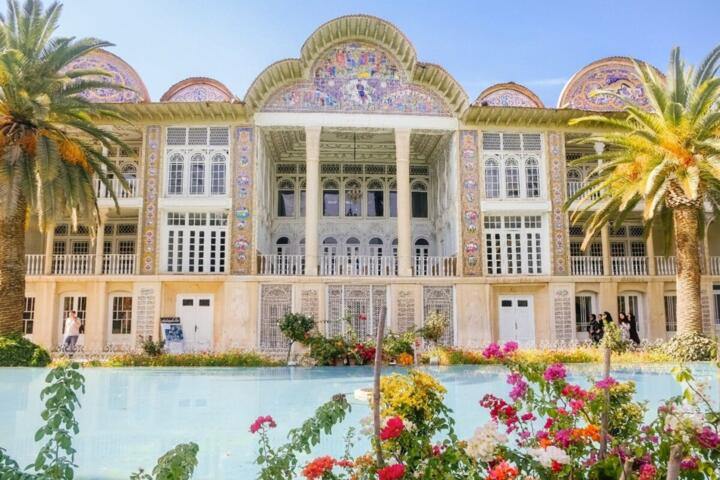
Renaissance of the Steppe
The cultural landscape of Central Asia is defined by a dichotomy between nomadic heritage and sedentary Persian-influenced architecture. For the cultural traveler, this means moving between the "Open Air Museums" of Uzbekistan and the "Creative Hubs" of Kazakhstan and Kyrgyzstan. Understanding this region requires looking past the Soviet-era facades to find the underlying layers of Timurid history, Zoroastrian roots, and the emerging post-independence identity.
In practice, this looks like attending the Sharq Taronalari international music festival in Samarkand or navigating the Arbat in Almaty, where local artists blend traditional motifs with digital art. Data from UNESCO and regional tourism boards show a 25% year-on-year increase in "experiential travel" bookings in the region as of 2025, with travelers spending an average of 12 days across the "Five Stans."
Common Navigation Pitfalls
Many travelers treat Central Asia as a monolith, applying the same logistical expectations to Tashkent as they would to Bishkek. The primary mistake is "Monastic Sightseeing"—visiting only the blue-tiled madrasas without engaging with the living culture. This leads to a sterile experience where the traveler sees the history but misses the pulse of the contemporary city.
Underestimating the distance between cultural hubs is another frequent error. Relying on outdated rail schedules or failing to use regional super-apps like Kaspi.kz (Kazakhstan) or Yandex Go (Uzbekistan/Kyrgyzstan) results in wasted hours and inflated costs. These logistical frictions often discourage travelers from visiting smaller, culturally rich suburbs where the most authentic craft workshops are located.
Strategic Hubs for Travel
Samarkand: The Intersection of History and Innovation
Samarkand is the architectural crown jewel of the region. To experience it beyond the Registan, head to the Silk Road Samarkand complex, a 260-hectare development that integrates modern hospitality with the Eternal City historical park. This isn't just a tourist site; it’s a craft hub where artisans use traditional methods to produce Samarkand paper from mulberry bark.
Cultural travelers should use the Afrosiyob high-speed train to reach the city from Tashkent in just 2 hours. Booking via the Uzrailways app at least 4 weeks in advance is mandatory, as tickets for this "Cultural Express" sell out instantly. Don't miss the Afrasiyab Museum to see the 7th-century frescoes that prove the city’s ancient global connections.
Almaty: The Creative Pulse of the New East
While Uzbekistan holds the history, Almaty holds the contemporary creative spirit. It is a city of "Hidden Courtyards" and conceptual galleries like Esentai Gallery or the A. Kasteyev State Museum of Arts. The city’s coffee culture is a cultural phenomenon in itself, with spots like JumpinGoat acting as meeting points for the local intelligentsia.
The city's proximity to the Ile-Alatau mountains allows for a "Mountain-Urban" cultural blend. Utilize Onay! cards for public transport to reach the Medeu area, which has hosted cultural events since the 1970s. Statistics from the Almaty Tourism Bureau indicate that 40% of international visitors now cite "modern lifestyle and gastronomy" as their primary reason for visiting, rather than just mountain trekking.
Bishkek: The Gateway to Nomadic Philosophy
Bishkek serves as the best base for understanding the intangible heritage of the Kyrgyz people. Visit the Osh Bazaar, not just for spices, but to observe the sale of traditional felt carpets (Shyrdaks), which are inscribed on the UNESCO list. For a deep dive into the local art scene, Asanbay Center provides a platform for modern Kyrgyz artists to reinterpret nomadic symbols.
The city is highly affordable and digitally savvy. Use Namba Taxi for reliable transport and explore the Victory Park area for Brutalist Soviet architecture that tells the story of the 20th-century transition. The cultural impact of the World Nomad Games (often held nearby) continues to influence the city’s aesthetic and pride.
Khiva: A Living Time Capsule of the Khorazm Empire
Khiva’s Itchan Kala is a walled city that remains inhabited, making it a "Living Museum." Unlike Samarkand, which is sprawling, Khiva is dense and walkable. Staying inside the walls in boutique hotels like Orient Star Khiva (a converted madrasa) provides an immersive experience of the desert-style architecture unique to this region.
To truly engage, participate in a wood-carving workshop. The Khiva style is distinct for its deep, intricate floral patterns. Flights to the nearby Urgench (UGC) airport are serviced daily by Uzbekistan Airways. Using local guides from the Khiva Tourism Association ensures that your spending goes directly back into the restoration of the mud-brick fortifications.
Tashkent: The Brutalist and Baroque Hybrid
Tashkent is the most misunderstood city in the region. It is a masterpiece of Soviet Modernism. The Tashkent Metro is a subterranean art gallery, where stations like Kosmonavtlar use blue ceramics to celebrate space exploration. Culturally, the city is shifting toward a "Mega-Hub" status with the Tashkent City development.
For high culture, the Navoi Theater offers world-class opera and ballet for under $20. Use the MyUzbekistan portal to check current exhibition schedules at the State Museum of Arts, which houses an unexpected collection of Russian avant-garde and traditional ikat textiles. Tashkent’s Chorsu Bazaar remains the spiritual heart of the city, where the dome architecture is as impressive as the commerce beneath it.
Authentic Immersion
Case Study 1: The Textile Expedition
A group of French designers visited Margilan (near Fergana) and Tashkent to source traditional Ikat. By using Indriver for inter-city travel and staying in family-owned guesthouses found via Booking.com, they bypassed mass-market souvenir shops. They spent $1,200 each over 10 days and secured direct contracts with Yodgorlik Silk Factory, saving 50% compared to middleman prices in Europe.
Case Study 2: The Digital Nomad in Almaty
A freelance journalist used Almaty as a base for 3 months. By utilizing Kaspi.kz for all payments and 2GIS for hyper-accurate offline navigation, they integrated into the "Korkem" creative collective. Result: They produced a documentary series on Central Asian rap culture, reaching 100k+ views, while maintaining a monthly budget of $1,500 including high-end co-working spaces.
Travel Readiness Checklist
| City | Primary App/Service | Must-See Cultural Site | Best Time to Visit |
|---|---|---|---|
| Samarkand | Uzrailways (Train) | Shah-i-Zinda Necropolis | April - June |
| Almaty | Kaspi.kz (Payments) | Zenkov Cathedral | September - October |
| Bishkek | Namba Taxi | State Historical Museum | May - September |
| Tashkent | Yandex Go | Chorsu Bazaar | Year-round |
| Khiva | UzAirways (Internal) | Itchan Kala | March - May |
Avoiding Cultural Faux Pas
The most frequent error is neglecting the "Tea Culture" protocol. In Uzbekistan and Tajikistan, pouring a full cup of tea is actually a sign that the host wants you to leave quickly. A half-filled cup (piala) signifies that they want you to stay and talk. Always accept tea with your right hand to show respect.
Photography is another sensitive area. While the ban on photographing the Tashkent Metro was lifted in 2018, always ask permission before filming people in markets or inside active mosques. Using a high-quality mirrorless camera is generally fine, but flying drones requires complex permits from the Civil Aviation Agency in almost all Central Asian countries—failure to do so can lead to equipment confiscation at the border.
FAQ
Is it safe for solo travelers to visit Central Asian cities?
Statistically, cities like Tashkent and Almaty have lower violent crime rates than many Western European capitals. The main "risks" are petty scams in high-traffic tourist areas. Using apps like Yandex Go eliminates price haggling with taxis, which is the most common source of friction.
What is the best way to handle money in the region?
In Kazakhstan, card payments are universal. In Uzbekistan, while cards (Visa/Mastercard) are accepted in major hotels, cash (Uzbek Som) is still king in bazaars. Use Kapitalbank ATMs in Uzbekistan for the most reliable international withdrawals.
Do I need a visa for these countries?
As of 2025, Uzbekistan, Kazakhstan, and Kyrgyzstan offer visa-free entry for citizens of over 60 countries (including the EU, USA, and UK) for periods ranging from 30 to 90 days. Always check the official mfa.gov portal of the specific country before departure.
How is the internet connectivity for remote work?
Almaty has the fastest average speeds (up to 100 Mbps in many Airbnbs). Tashkent is catching up with widespread fiber-optic expansion. Purchase a local SIM from Beeline or Tele2 directly at the airport; e-SIMs via Airalo work but are significantly more expensive than local rates.
What is the "must-eat" cultural dish beyond Plov?
While Plov is the king, try Beshbarmak in Kazakhstan or Manti in Kyrgyzstan. For a unique experience, seek out Naryn in Tashkent—a cold noodle dish with horse meat that is a local delicacy rarely found in tourist restaurants.
Author’s Insight
Having spent the last five years traversing the Silk Road from the Caspian Sea to the Tian Shan mountains, I’ve seen the region transform from a niche adventure destination to a sophisticated cultural hub. My biggest piece of advice is to "Slow Down." You cannot "do" Uzbekistan in three days. Spend an entire afternoon sitting in a chaikhana (teahouse) in the old mahallas of Bukhara or Tashkent; that is where the real history is shared, not in the brochures. The true luxury of Central Asia isn't found in five-star hotels, but in the radical hospitality of the people you meet on a random street corner.
Summary
Navigating the vibrant cities of Central Asia requires a blend of digital savvy and respect for ancient traditions. By focusing on hubs like Samarkand for its architecture, Almaty for its modern creativity, and Khiva for its historical preservation, cultural travelers can experience a depth of heritage unmatched elsewhere. Prioritize local platforms like Yandex and Kaspi, respect the tea-pouring etiquette, and always book your high-speed rail tickets in advance. The Silk Road is no longer a relic of the past; it is a thriving, modern corridor waiting for those willing to look beneath the surface.