Regional Pricing Logic
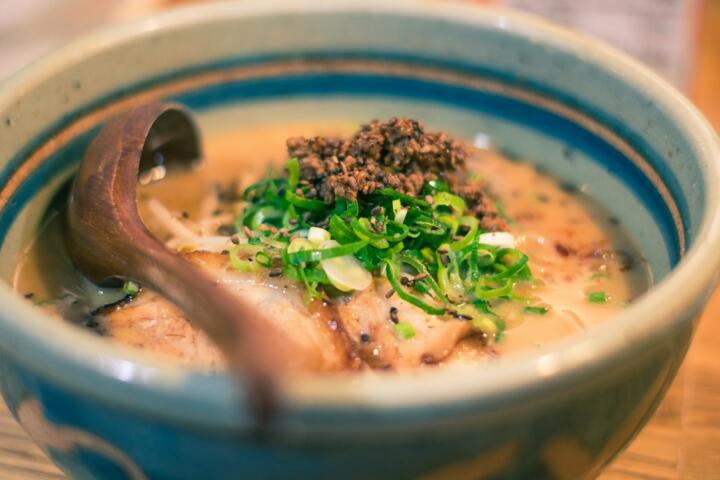
In 2026, the culinary landscape of North Japan—comprising Hokkaido and the six prefectures of Tohoku—operates on a tiered economic structure. While Japan has long resisted formal dual pricing, the sharp increase in inbound tourism and a volatile Yen have led to "soft" price gaps. In cities like Sapporo or Sendai, a bowl of miso ramen can range from ¥850 at a neighborhood shop to ¥1,800 in a central tourist hub.
Recent data indicates that the Tohoku region now records the highest per-person spending on sushi nationwide. This isn't necessarily because locals are paying more, but because high-end seafood markets have become magnets for visitors willing to pay a premium for "prestige" ingredients like Aomori tuna or Hokkaido king crab. For the savvy traveler, distinguishing between a fair price and a convenience premium is the difference between a ¥3,000 daily food budget and one exceeding ¥10,000.
The introduction of new tourist-specific taxes and the restructuring of tax-free shopping in late 2025 have further pushed some restaurants in northern hubs to adopt English-only menus with higher price points. Understanding where the locals eat—and how they shop—is no longer just about authenticity; it is about financial efficiency in a shifting economy.
The Convenience Premium
The most common mistake travelers make in North Japan is equating proximity to major stations or landmarks with standard market rates. In Hakodate, the Morning Market (Asaichi) is famous for its "squid fishing" and kaisendon (seafood bowls). While the experience is unique, a kaisendon there often costs ¥3,500, whereas a nearly identical bowl at a residential-area eatery 15 minutes away by tram costs approximately ¥1,800.
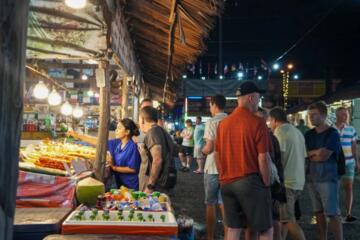
The consequence of this "convenience trap" is a significant depletion of travel funds. For a family of four, the daily price difference between eating at tourist-facing "Yokocho" alleys versus neighborhood "Shokudo" (canteens) can exceed ¥15,000. This matters because North Japan offers some of the country’s best produce; paying double for it doesn't improve the quality, only the location.
Real-world situations often involve "English Menu Inflation." In 2026, more establishments in Hokkaido’s ski resorts, such as Niseko, have been documented using digital menus that serve different price sets based on the selected language. While not universal, this trend makes it critical to cross-reference prices with the Japanese-language signage often posted at the storefront.
Smart Dining Solutions
Morning Market Strategy
Do not buy the first seafood bowl you see at the entrance of Nijo Market in Sapporo. Instead, walk to the peripheral streets where the wholesale distributors are located. These spots often have small standing bars or limited-seating counters that serve the same catch to market workers for 40% less than the main thoroughfare. Look for price points around ¥1,200 to ¥1,500 for a fresh daily set.
Supermarket Deli Power
Hokkaido and Tohoku supermarkets like Seiyu, Aeon, and the regional powerhouse Coop Sapporo offer high-quality prepared meals that rival mid-range restaurants. A pack of local scallops or Zao beef bento typically costs ¥600–¥900. If you shop after 7:00 PM, these items are often discounted by 30% to 50% as part of Japan’s food waste reduction efforts, providing an elite meal for under ¥500.
Lunch Set Superiority
In Sendai, the capital of Miyagi, "Gyutan" (grilled beef tongue) is a must-try. A dinner set at a specialized restaurant like Kisuke can easily cost ¥3,500. However, the "Teishoku" (set meal) lunch version of the same dish is frequently priced at ¥1,800 to ¥2,200. This "Lunch over Dinner" rule is the most effective way to experience premium North Japan proteins at local prices.
Department Store Basements
Known as "Depachika," the basement levels of stores like Daimaru or Mitsukoshi in northern cities are culinary goldmines. While they seem upscale, they offer "taster" portions and high-end bento boxes at fixed prices that do not fluctuate for tourists. It is a controlled environment where you pay the same ¥1,200 as the office worker standing next to you.
Local Chain Reliability
Chains like Lucky Pierrot in Hakodate or the ubiquitous Seicomart convenience stores (exclusive to Hokkaido) offer standardized pricing. At Seicomart, the "Hot Chef" section provides freshly made katsudon and onigiri for under ¥600. These chains are the backbone of local dining and are a safe haven from the fluctuating "tourist pricing" found in boutique districts.
Farm-to-Table Roadside
If you are driving through the Tohoku countryside, stop at "Michi-no-Eki" (roadside stations). These hubs are where local farmers sell produce and prepared foods directly to the community. In Akita or Iwate, you can find regional specialties like Kiritanpo (toasted rice skewers) for ¥300, whereas a tourist shop in the city center might charge ¥800 for the same item.
Regional Cost Evidence
A 2026 pilot program in a popular Hokkaido ski village saw a local cafe implement a tiered pricing model: locals with a resident ID card paid ¥450 for a latte, while visitors paid ¥750. The justification was the rising cost of property tax and seasonal staffing. The result was a 15% increase in local patronage but a slight dip in visitor ratings, highlighting the friction of transparent dual pricing.
In Aomori, a seafood cooperative near the port shifted its focus from high-volume tourist sets to "build-your-own" Nokke-don. By allowing customers to buy tickets (¥2,000 for a set of 10), they empowered visitors to choose their own ingredients at the same price as locals. This resulted in a 30% increase in revenue and higher visitor satisfaction, as the pricing felt "earned" through the selection process rather than imposed by a menu.
Price Point Checklist
| Meal Type | Local Price | Tourist Price | Best Value |
|---|---|---|---|
| Basic Ramen | ¥800-¥1,000 | ¥1,500-¥2,200 | Station alleys |
| Seafood Bowl | ¥1,500-¥2,000 | ¥3,500-¥5,000 | Port markets |
| Beef Set | ¥2,200-¥3,000 | ¥5,000-¥8,000 | Lunch deals |
| Conveyor Sushi | ¥150/plate | ¥400+/plate | Local chains |
Avoidable Spending Errors
One major mistake is ordering "Assorted Platters" in tourist-heavy seafood markets. These are often priced for the "photo-op" rather than the palate, bundling cheaper fillers with one or two premium items at a massive markup. Instead, ask for the "Osusume" (recommendation) of a single seasonal fish. This identifies you as a discerning diner and often results in better quality for a lower price.
Failing to use cash in smaller northern towns can also lead to higher costs. While major cities in Hokkaido are credit-card friendly in 2026, the most authentic local spots in Tohoku often remain cash-only or use local QR payment systems. Relying solely on cards often forces you into higher-end, Westernized restaurants that charge a premium for the convenience of international payment processing.
Finally, don't ignore the "Table Charge" or "Otoshi" in Izakayas. This is a standard ¥300–¥500 fee that comes with a small appetizer. Tourists often mistake this for a scam or a "foreigner fee," leading to awkward confrontations. It is a legitimate part of Japanese dining culture; accepting it gracefully is part of the local experience, provided the rest of the menu is fairly priced.
FAQ
Is dual pricing legal?
Yes, businesses in Japan generally have the right to set their own prices. While most restaurants prefer a single price for all, some have begun offering "membership" discounts for locals or higher-priced menus with English translations to cover the costs of international service and marketing.
How do I find local spots?
Use Japanese apps like Tabelog instead of relying solely on Google Maps or TripAdvisor. A rating of 3.0 to 3.5 on Tabelog usually indicates a very solid, local-favorite restaurant. Anything over 4.0 is often an elite, high-priced destination that requires reservations.
Are markets always expensive?
Not always. The "inner" market where wholesalers trade is usually priced for locals. The "outer" market with bright signs and English barkers is aimed at tourists. Walk an extra five minutes past the crowds to find the transition point where the prices drop.
Should I tip in North Japan?
No. Tipping is not practiced in Japan, and attempting to do so can cause confusion or offense. Excellent service is included in the price. If a restaurant has a service charge, it will be clearly noted on the bill as a percentage (usually 10%).
Does Seicomart have hot food?
Yes, the "Hot Chef" section is a staple of Hokkaido life. It offers freshly fried chicken, rice bowls, and oversized onigiri made in-store. It is significantly better quality than standard convenience store food and follows strict local pricing, making it a budget savior.
Author's Insight
Having lived in the Tohoku region for three years, I have seen the gradual shift toward "Inbound Pricing." My best advice is to embrace the "Teishoku" culture. If you see a handwritten chalkboard outside a shop with a single price—usually around ¥900—go inside. You might not get a picture-perfect English menu, but you will get the exact same meal and price as the local construction worker or teacher sitting next to you. Authenticity in Japan is found where the menus are simple and the water is self-service.
Summary
Navigating food costs in North Japan requires a balance of research and regional awareness. To save money, prioritize lunch over dinner, utilize supermarket discounts after 7:00 PM, and seek out local chains like Lucky Pierrot or Seicomart. Avoid the central thoroughfares of major markets like Nijo or Hakodate Morning Market for your main meal. By following these steps and cross-referencing prices with local Japanese signage, you can enjoy the world-class flavors of Hokkaido and Tohoku without the tourist markup.